When do you feel your purpose? Is it in a space where you feel both happy and challenged? These questions set the tone for the Beyond School Bells Innovation Invitational. The event brought together educators, afterschool professionals, and community leaders to ignite passion, elevate youth voice, and discover purpose, even amidst uncertainty.
A Night of Inspiration
The conference opened Tuesday night, March 10, at the University of Nebraska—Lincoln’s Innovation Campus, with an inspiring discussion on the power of purpose in challenging times. Moderator Anna Wishart (Monolith), along with panelists Lane Carr (Nebraska Department of Education), Stephanie Malia Krauss (First Quarter Strategies), and Dr. Anthony Burrow (Cornell University), shared insights on the unique challenges facing today’s youth. They emphasized that purpose is not just an abstract concept but a fundamental human need that drives happiness and resilience.
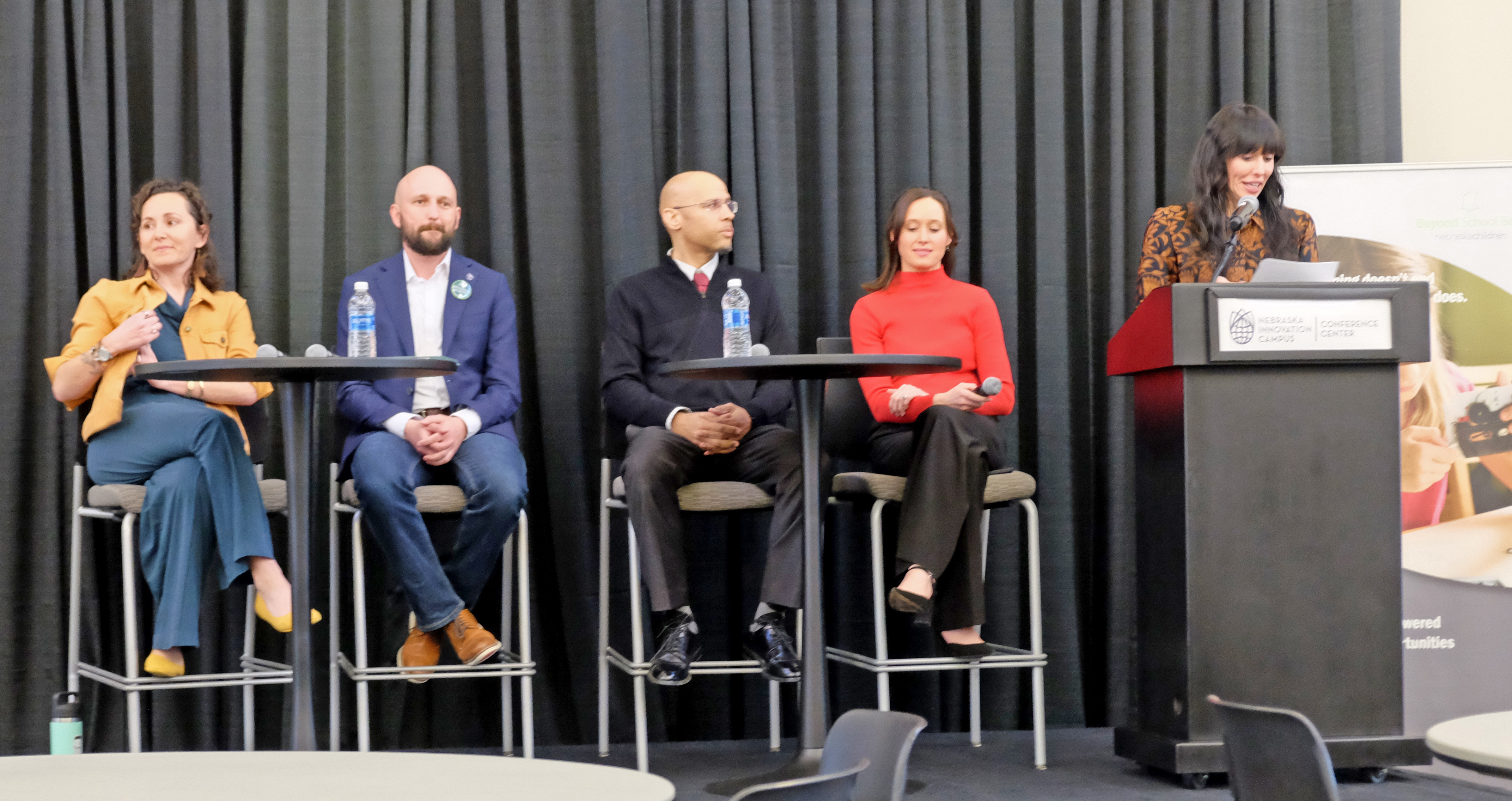
Dr. Burrow (a Lincoln High alum) described purpose as a “self-organizing need,” highlighting its critical role in building resilience. The panel encouraged attendees to reflect on how they could help young people find their purpose through afterschool programming. The goal is to create environments that foster belonging, play, community, and purpose.
Belonging. Play. Community. Purpose.
Kids naturally crave movement, connection, and a sense of purpose. After a long, structured day, students crave a place to move their bodies, connect with peers, and engage in activities that fuel their passions often not covered in the regular school day. The panelists all agreed that afterschool is where students can discover purpose and develop resilience.
It’s no secret that students today are facing challenges. Chronic absenteeism is at an all-time high, and behavior issues are common. Afterschool programs offer solutions to these ABCs—attendance, behavior, and chronic absenteeism—by creating supportive, engaging spaces where students feel valued and connected. As Lane Carr from the Nebraska Department of Education noted, “You are the spaces they can be and feel safe.”
Nebraska’s communities are known for their strong sense of rootedness and support for neighbors, as noted by panelist Stephanie Malia Krauss. Despite challenges, there is a sense of hope across the state, as emphasized by Carr. However, addressing chronic absenteeism remains a priority. According to the National Assessment of Educational Progress (NAEP), many students face academic challenges, particularly in reading and math. According to Carr, one out of five students in the state is chronically absent, with issues appearing in early learners, declining in middle school, and rising again in high school. Education functions as an ecosystem, and afterschool plays an important role in that ecosystem.
Dr. Anthony Burrow emphasized the essential role that afterschool programs play in creating purposeful student environments. According to Burrow, afterschool spaces are uniquely positioned to fulfill the ARC framework, which fosters agency, role clarity, and challenge. These three components—agency (A), providing perceived control; role clarity (R), fostering a sense of identity; and challenge (C), emphasizing that purpose needs challenge—are fundamental to building environments where young people can thrive.
As Burrow put it, “Purpose Needs Oxygen.” It’s about calibrating the environment to meet the needs of the youth you work with. What do young people need? The answer often lies in thoughtful programming that engages and challenges them to grow. The following two days provide many examples of ways this is happening across Nebraska.
On the second day, the opening plenary featured Dr. Patrick Hill, a leading researcher on purpose from Washington University St. Louis, who spoke about fostering purpose through afterschool programs. His talk highlighted why purpose is critical—not just for educational success but also for emotional well-being—reinforcing the profound impact that purposeful environments can have on students’ lives.
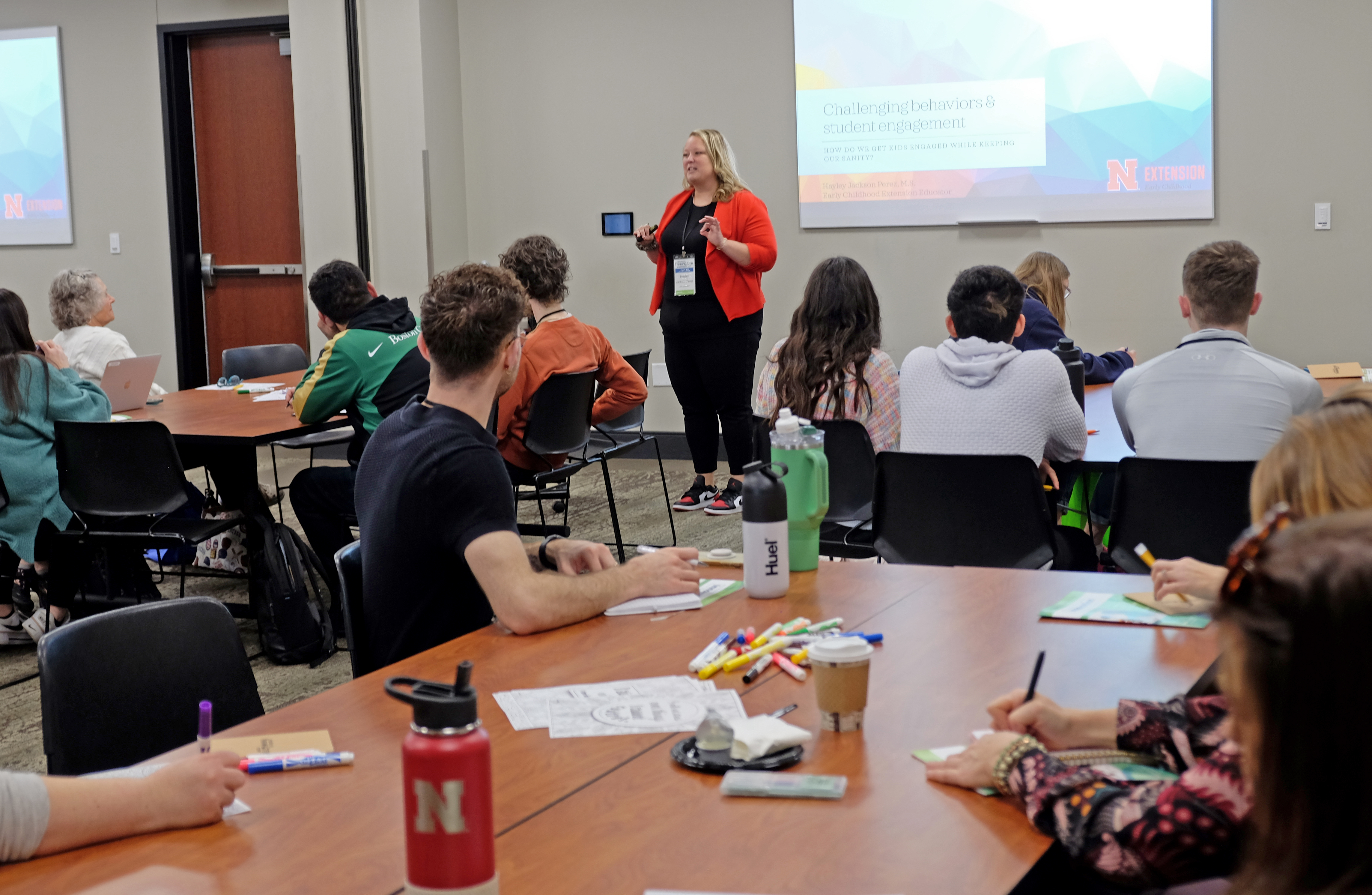
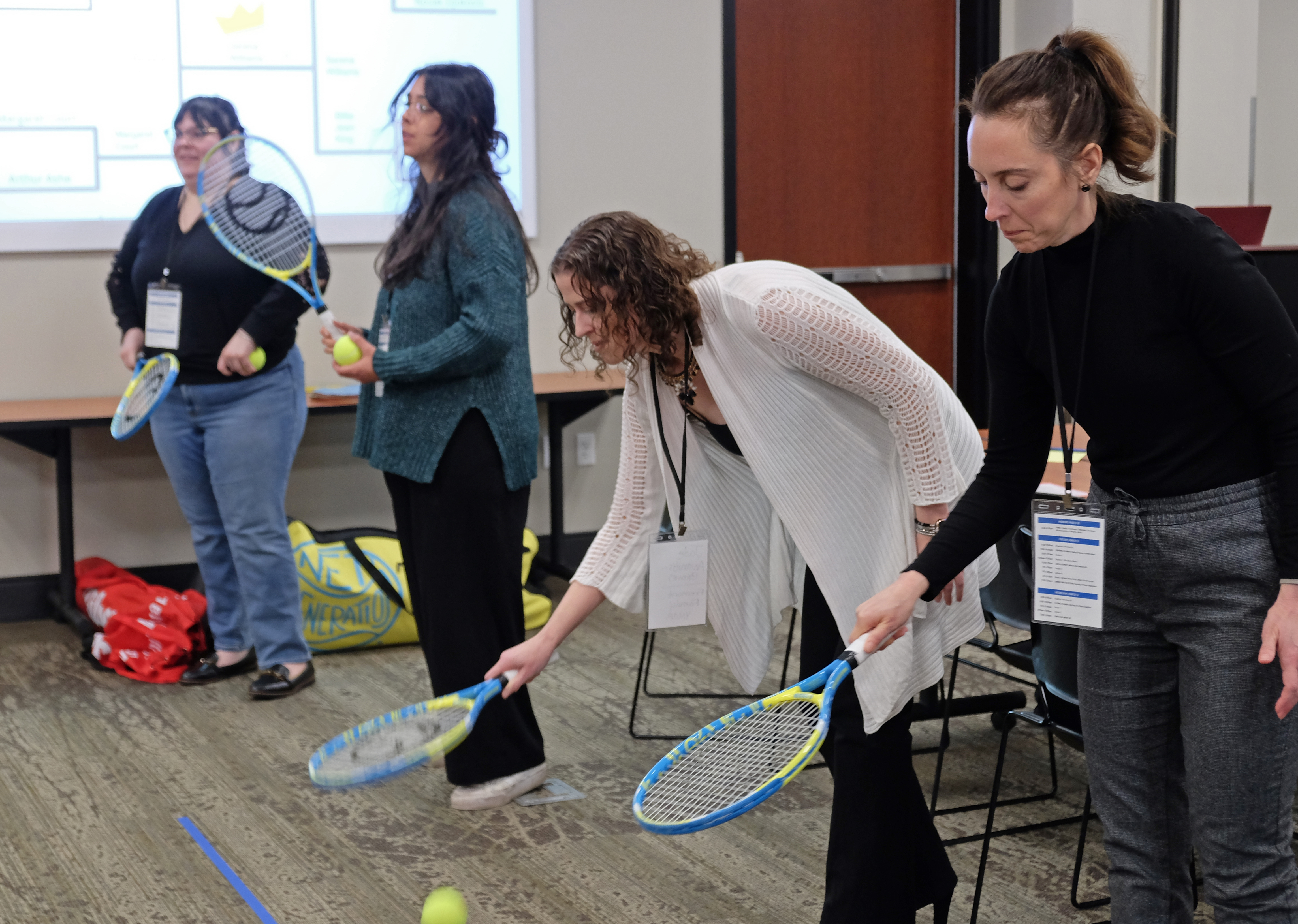
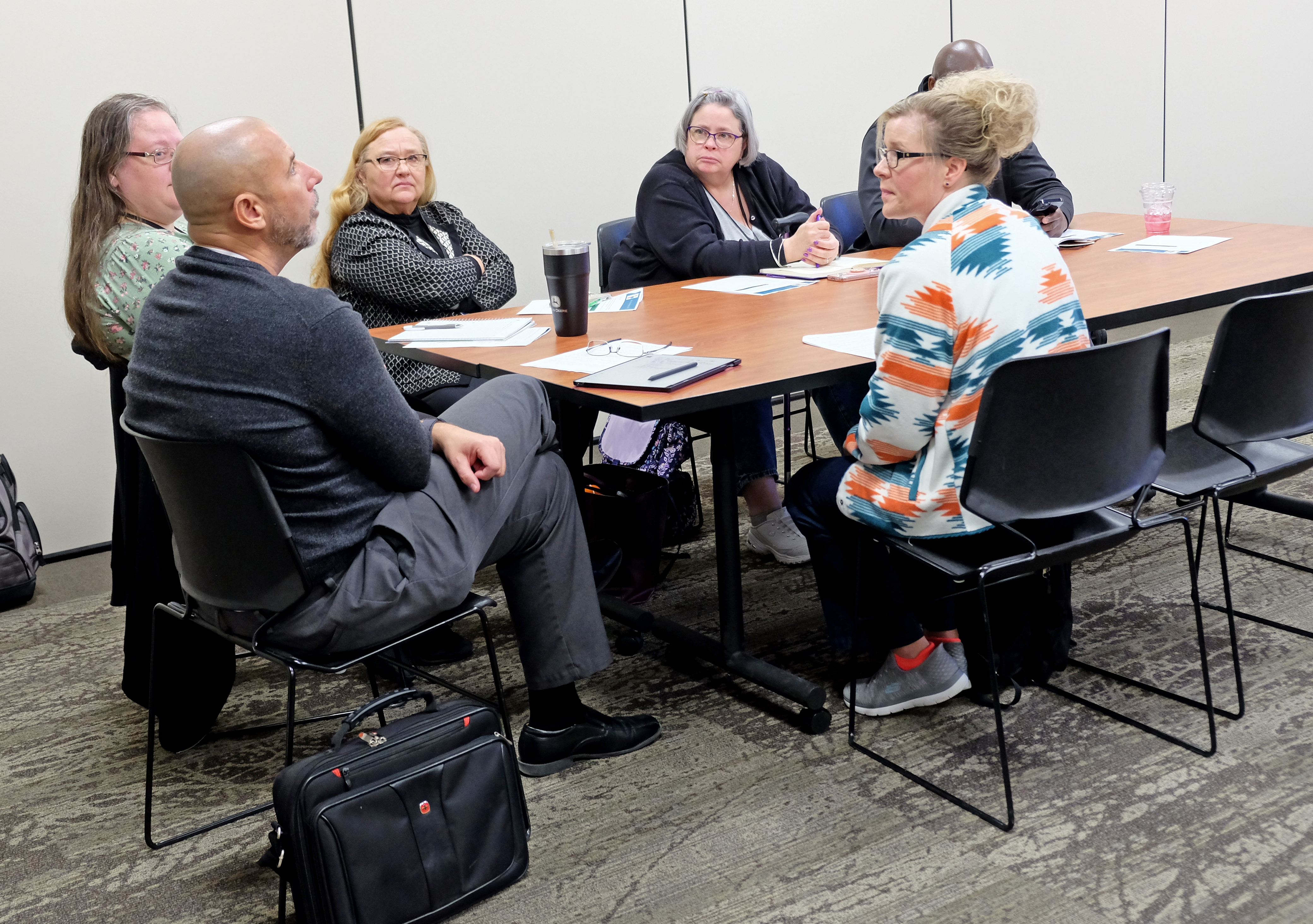
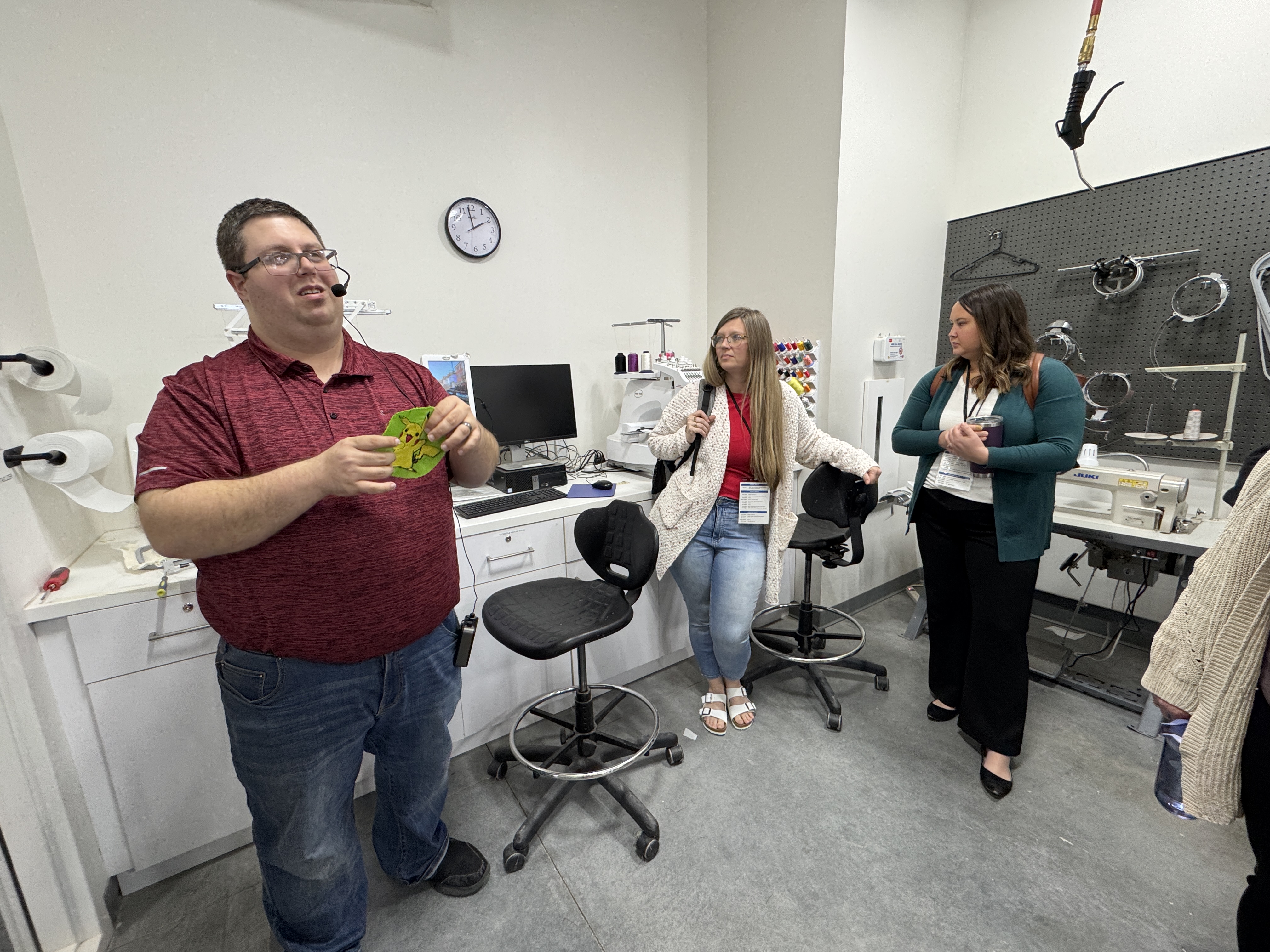
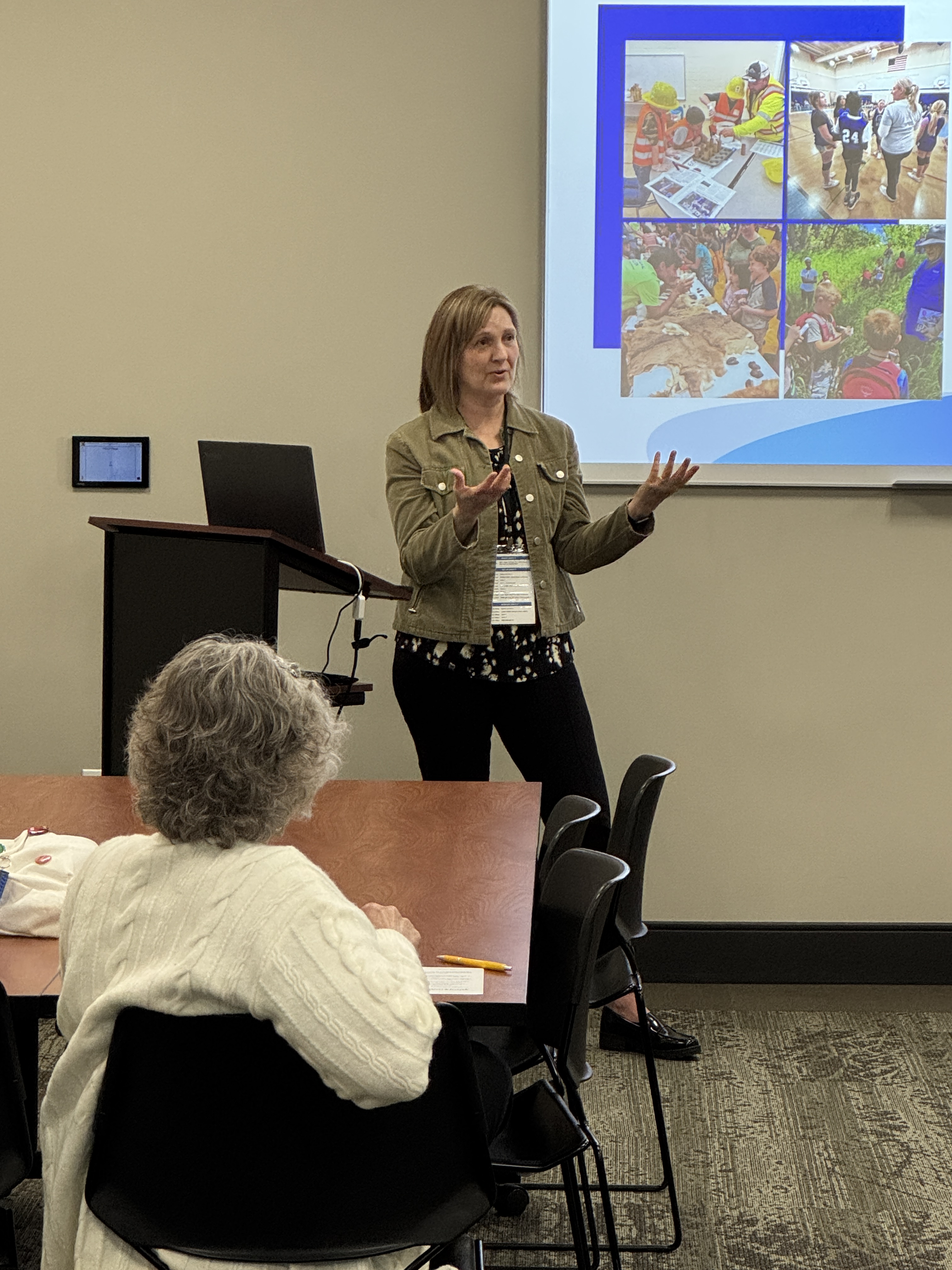
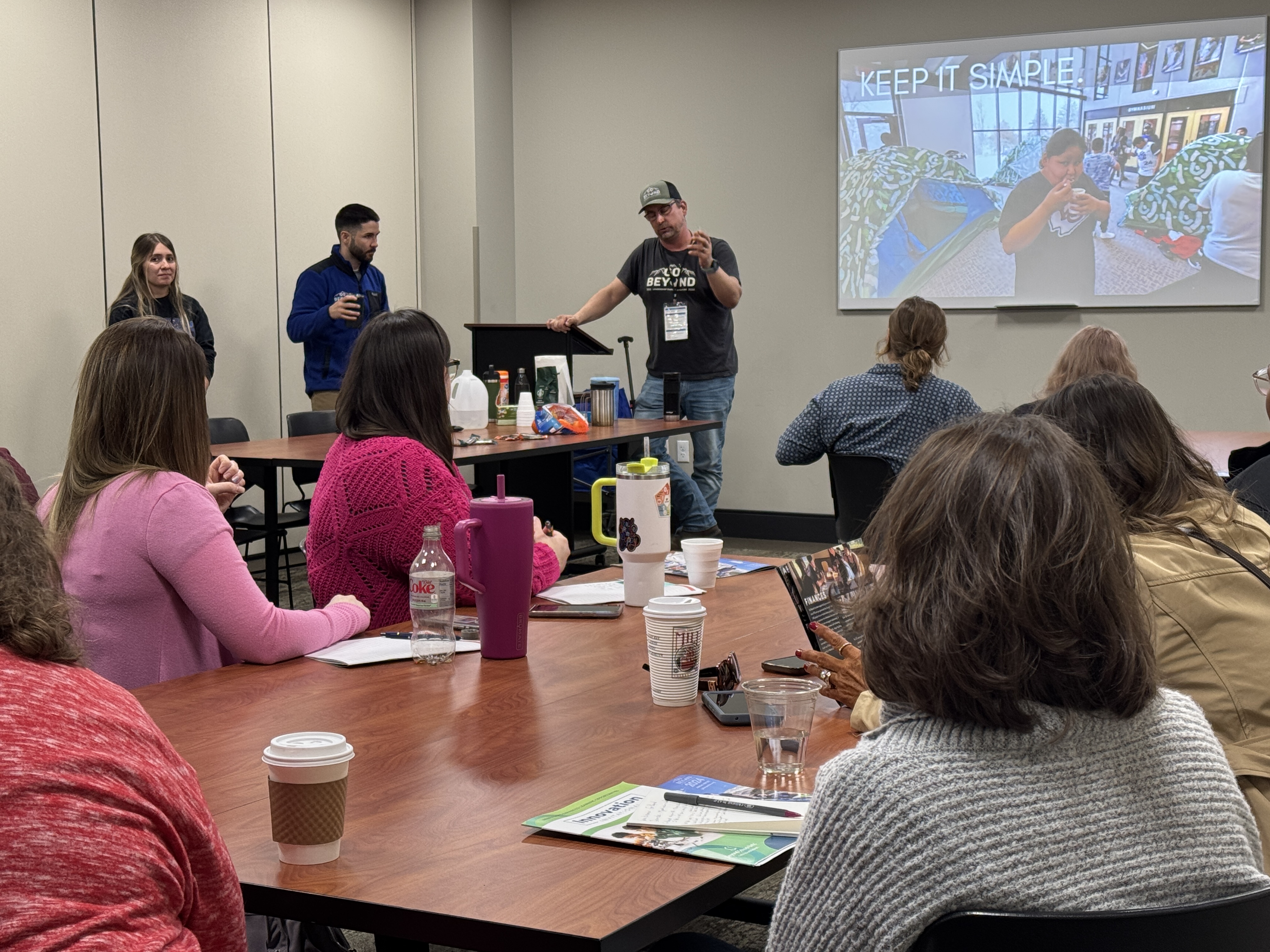
Breakout sessions explored a wide range of topics crucial to enhancing afterschool experiences. Sessions covered subjects like addressing challenging behaviors, boosting student engagement, STEM exploration, sustainability, fostering purpose, policy in action, building partnerships, storytelling in afterschool settings, service-learning and environmental education, family engagement events, crisis response, literacy, leadership development, entrepreneurship, and supporting high school staff.
Whole Child, Whole Life: Thriving Despite Challenges
Stephanie Malia Krauss delivered a compelling “Whole Child, Whole Life” keynote during lunch, emphasizing our innate capacity to thrive despite challenges. She underscored the importance of equipping young people with the resilience needed to navigate an uncertain world, highlighting the roles of hope, optimism, and creativity. Krauss urged educators to evolve their understanding of youth development amidst rapidly changing times, acknowledging the accelerating pace of life and its impact on adaptation.
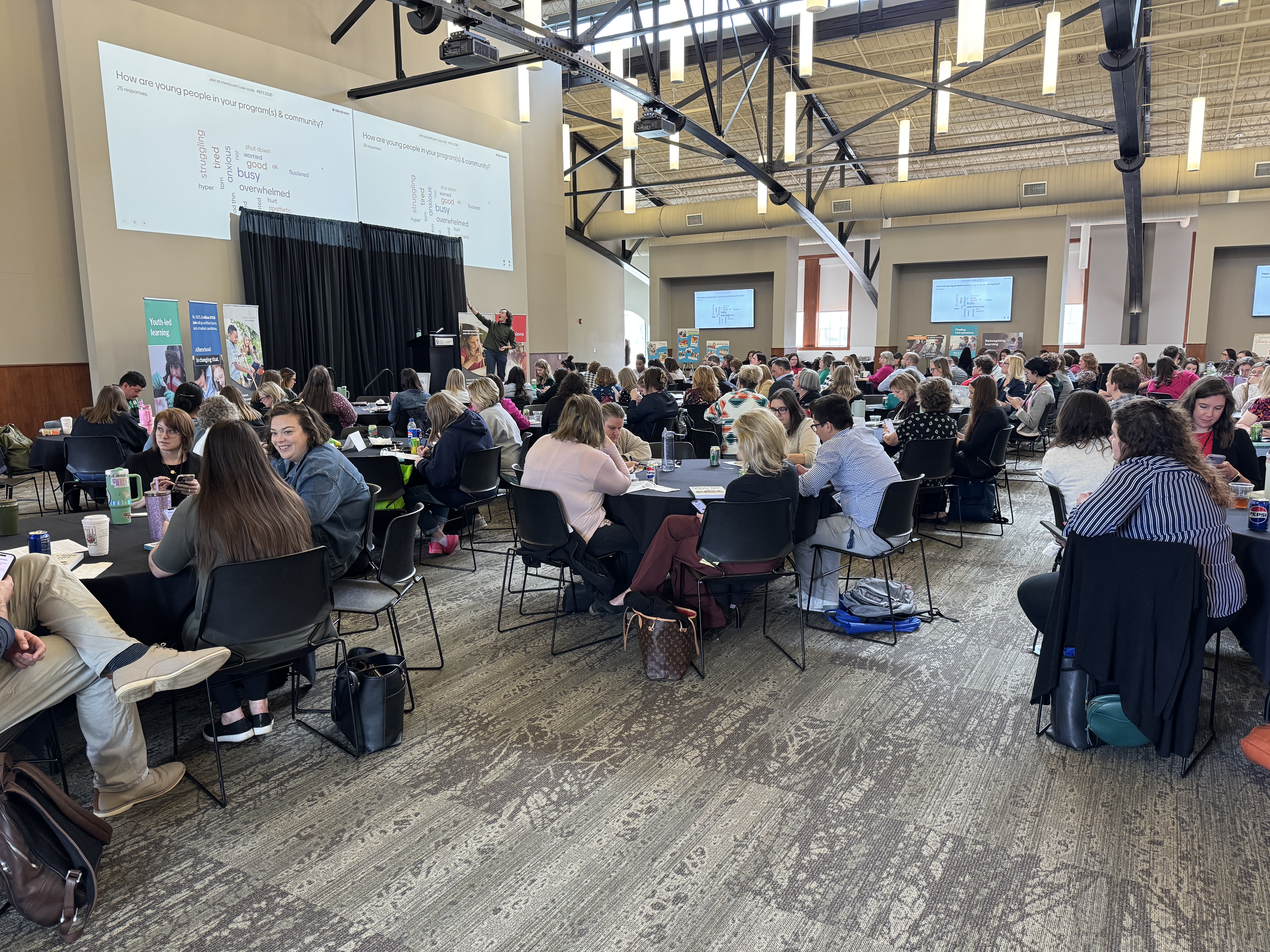
Highlighting timeless principles of youth development, Krauss addressed contemporary issues like energy depletion and the detrimental effects of excessive stimulation, such as social media. She advocated for fostering youth voice and choice in young individuals, promoting investment in personal interests and community building as essential for long-term thriving.
Beyond a Seat at the Table: An Evening of Youth Inspiration
The Evening of Youth Inspiration was a standout event that offered a glimpse into the future of afterschool in Nebraska. Attendees heard from young leaders Jack Buscher and Bailey Zona from the North Platte Kids Klub Para to Teachers Program, who shared how afterschool programs have shaped their emerging careers in education.
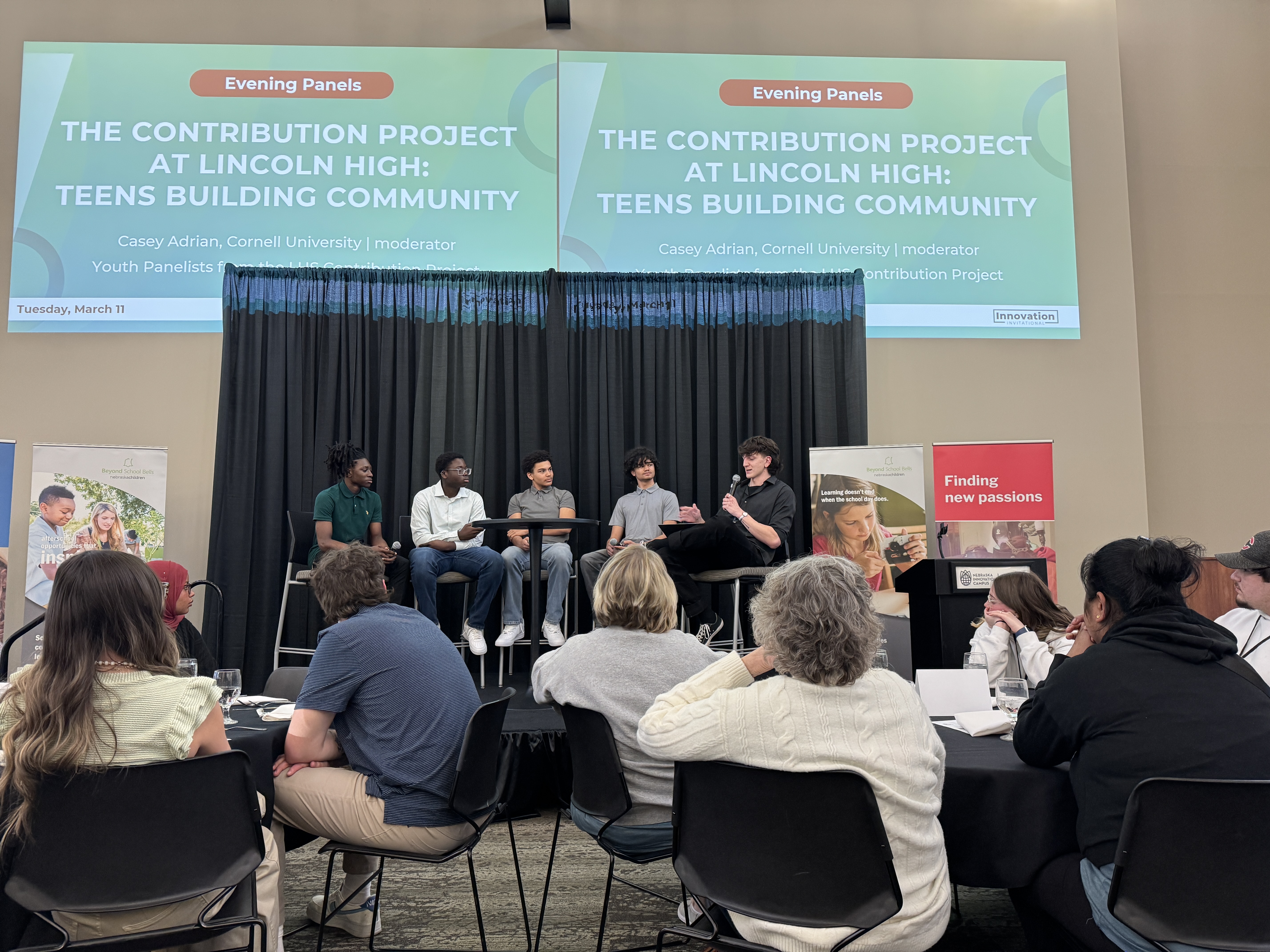
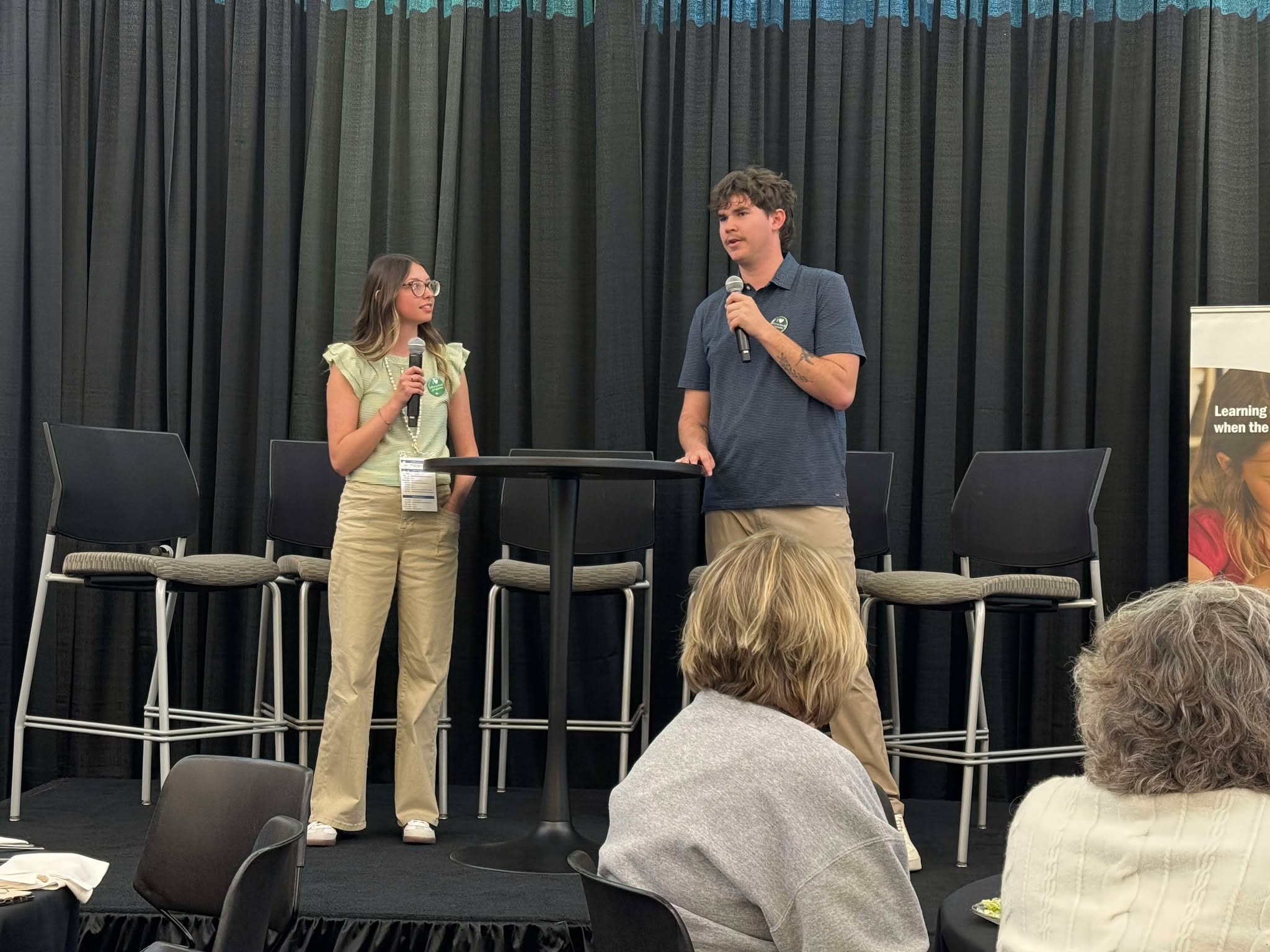

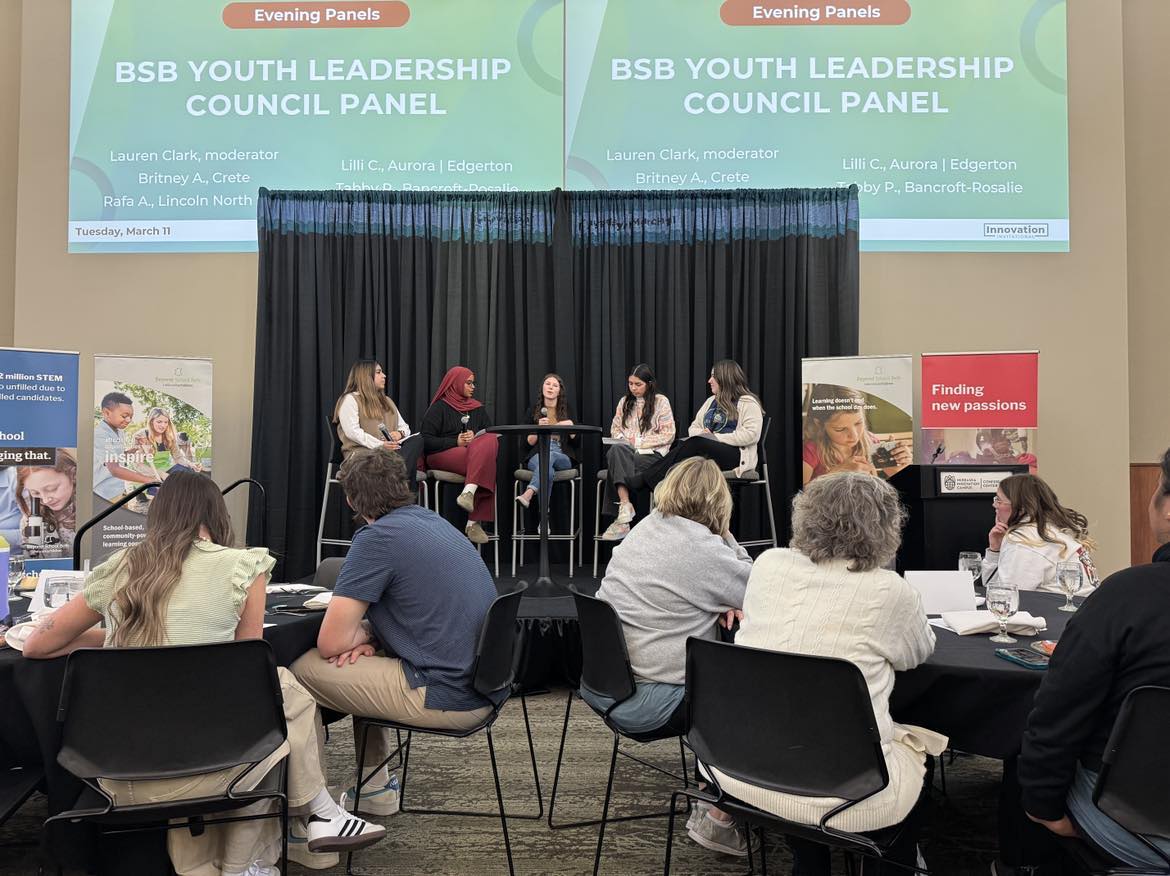
The event also featured the Youth Leadership Council, moderated by Lauren Clark, with panelists Britney A, Rafa A, Lilli C, and Tabby P discussing how young afterschool staff across the state are bringing the future of afterschool to life. Lincoln High School students also presented their involvement in The Contribution Project, a national program that elevates youth as changemakers, giving them the tools and resources to solve a problem in their community, with moderator Casey Adrian (Cornell University) guiding the discussion.
Looking at the Future: ELO Opportunities
Jeff Cole from Beyond School Bells introduced the Afterschool HEALS project, an innovative initiative inspired by the research of Richard Reeves. In his book Of Boys and Men (2022), Reeves highlights how modern society is leaving males—especially low-income males—behind in key areas such as educational attainment, health and well-being, family structure, employment, economic prosperity, and a sense of purpose.
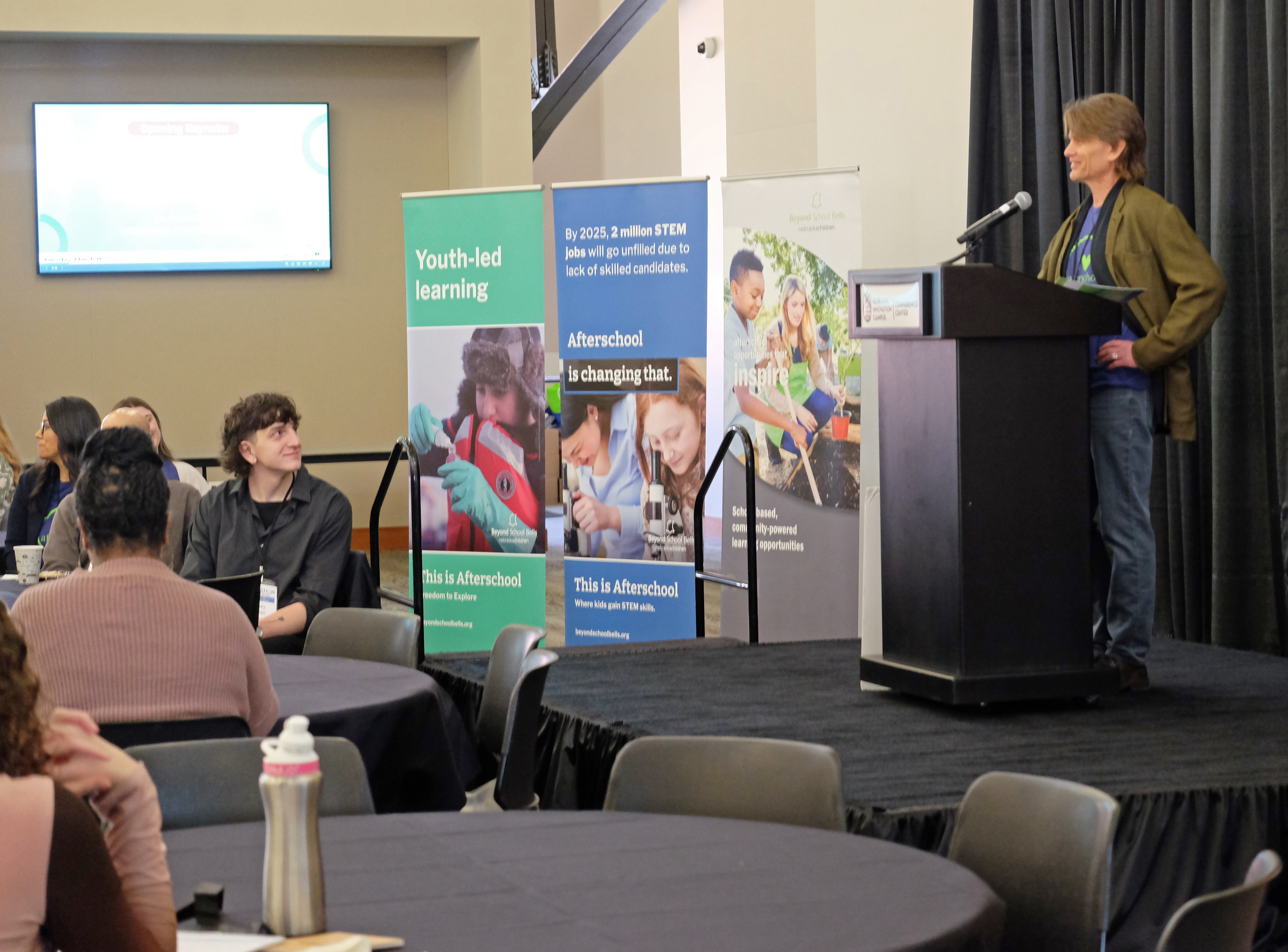
Recognizing this challenge, Beyond School Bells sees an opportunity to enhance Nebraska’s Expanded Learning Opportunities (ELO) programs by integrating career exploration and workforce initiatives guided by Reeves’ HEAL framework. This approach aims to better support both boys and all youth in their academic journeys and career development. Stay tuned for more updates on this forward-thinking project!
A special thank you to our outstanding partners—Nebraska Extension, STEM Next Opportunity Fund, and the Nebraska Department for Education—for their continued support.
How Passion and Youth Voice Create Lasting Change
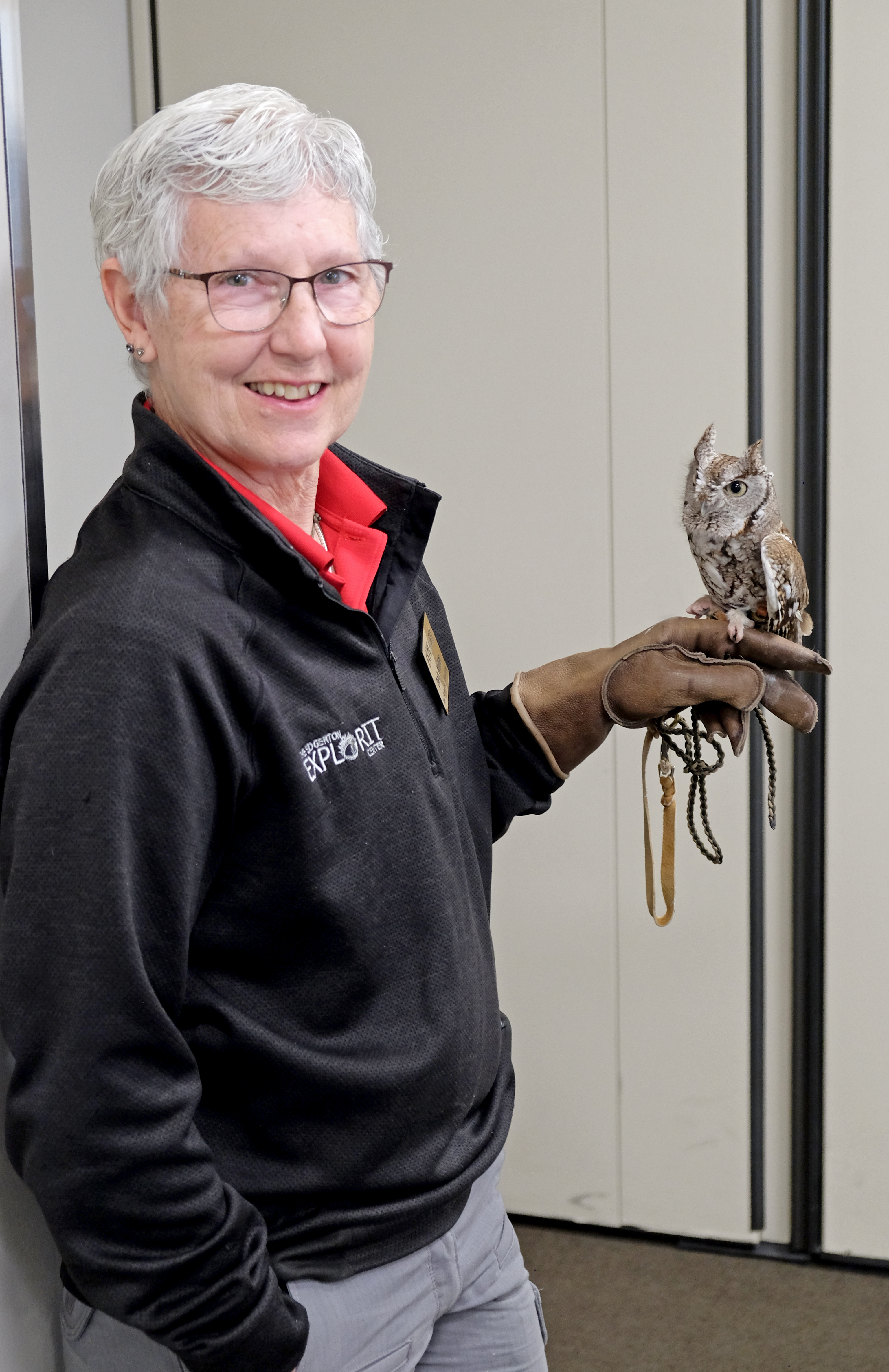
In times of uncertainty, we must focus on what we can control—innovation. Local leaders value forward-thinking solutions, and young people are inspired by what they see. Providing opportunities like field trips and creative programming helps them envision new possibilities and build brighter futures.
About Beyond School Bells (BSB)
Beyond School Bells, an initiative of Nebraska Children and Families Foundation, is a statewide public-private partnership that supports sustainable, high-quality, school-community collaborations that provide youth with what they need to succeed in school and life. These collaborations provide kids access to areas of learning they may never experience, including hands-on STEM (Science, Technology, Engineering and Mathematics) activities. Through the process, participants exhibit increased school attendance, positive behavior and improved academic performance. Visit the Beyond School Bells website.
Stay up-to-date about Nebraska’s expanded learning opportunities & sign up for our Beyond School Bells newsletter. Receive information about programs, funding opportunities, free curriculum, and policy changes.
© 2025 Nebraska Children and Families Foundation. All rights reserved.

Nebraska Children’s mission is to create positive change for Nebraska’s children through community engagement.


Leave a comment