
Why Teaching Youth Advocacy Is So Important
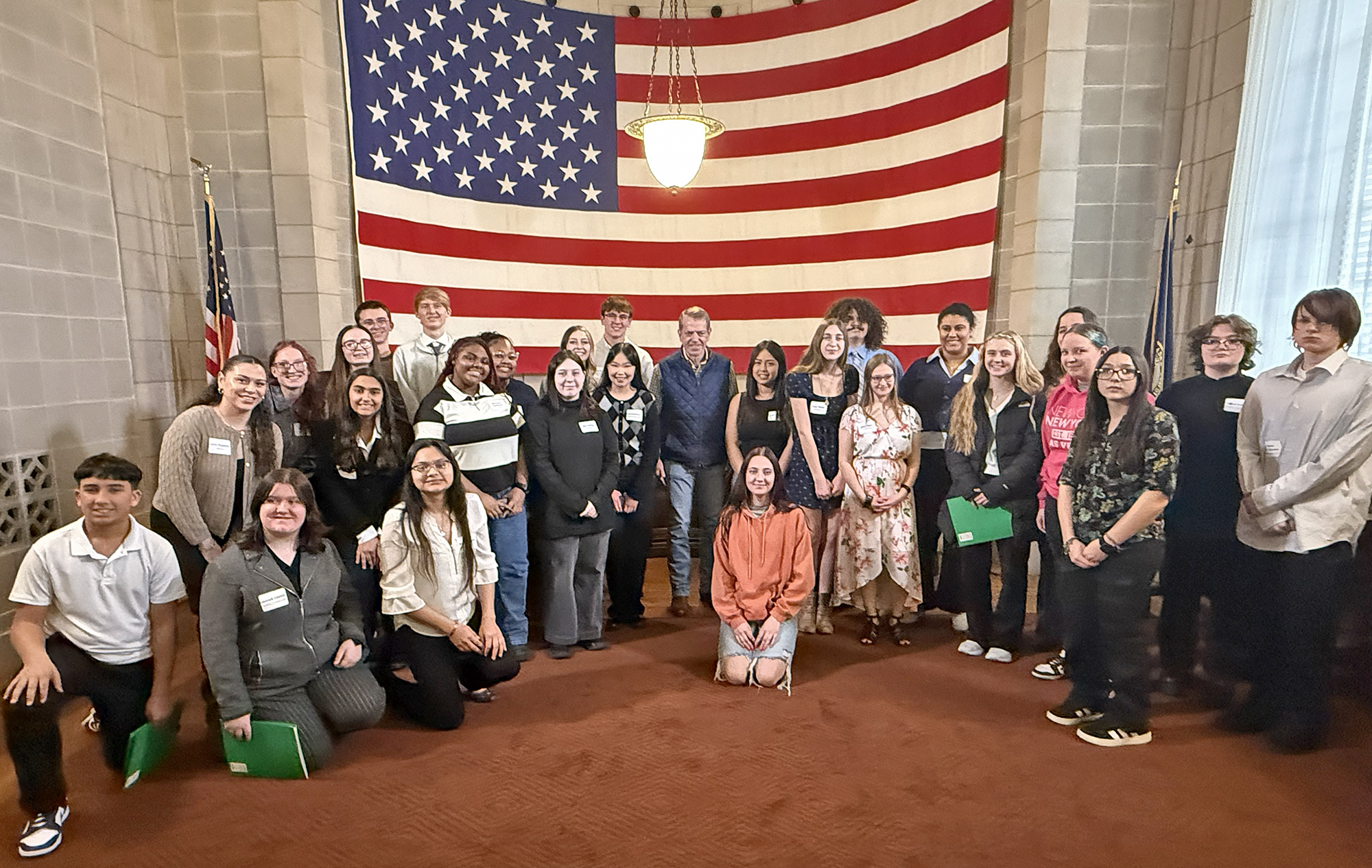
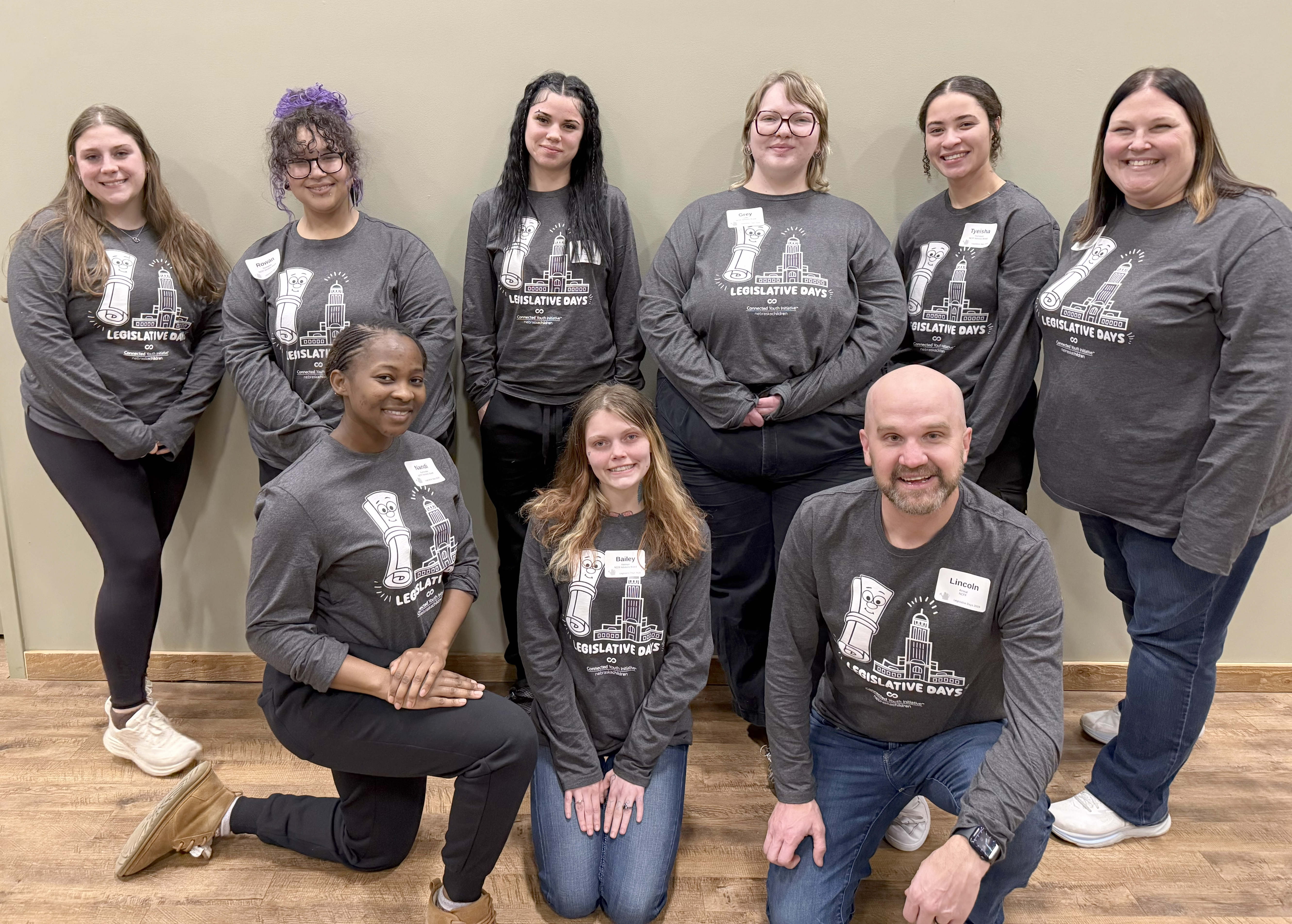
Imagine standing in front of your state’s governor at sixteen years old, presenting a carefully researched argument about a bill that could change lives — and doing it with confidence, evidence, and heart. That’s exactly what happened when young people from across Nebraska gathered in Lincoln for the 2026 Connected Youth Initiative (CYI) Legislative Days, an annual event hosted by Nebraska Children and Families Foundation.
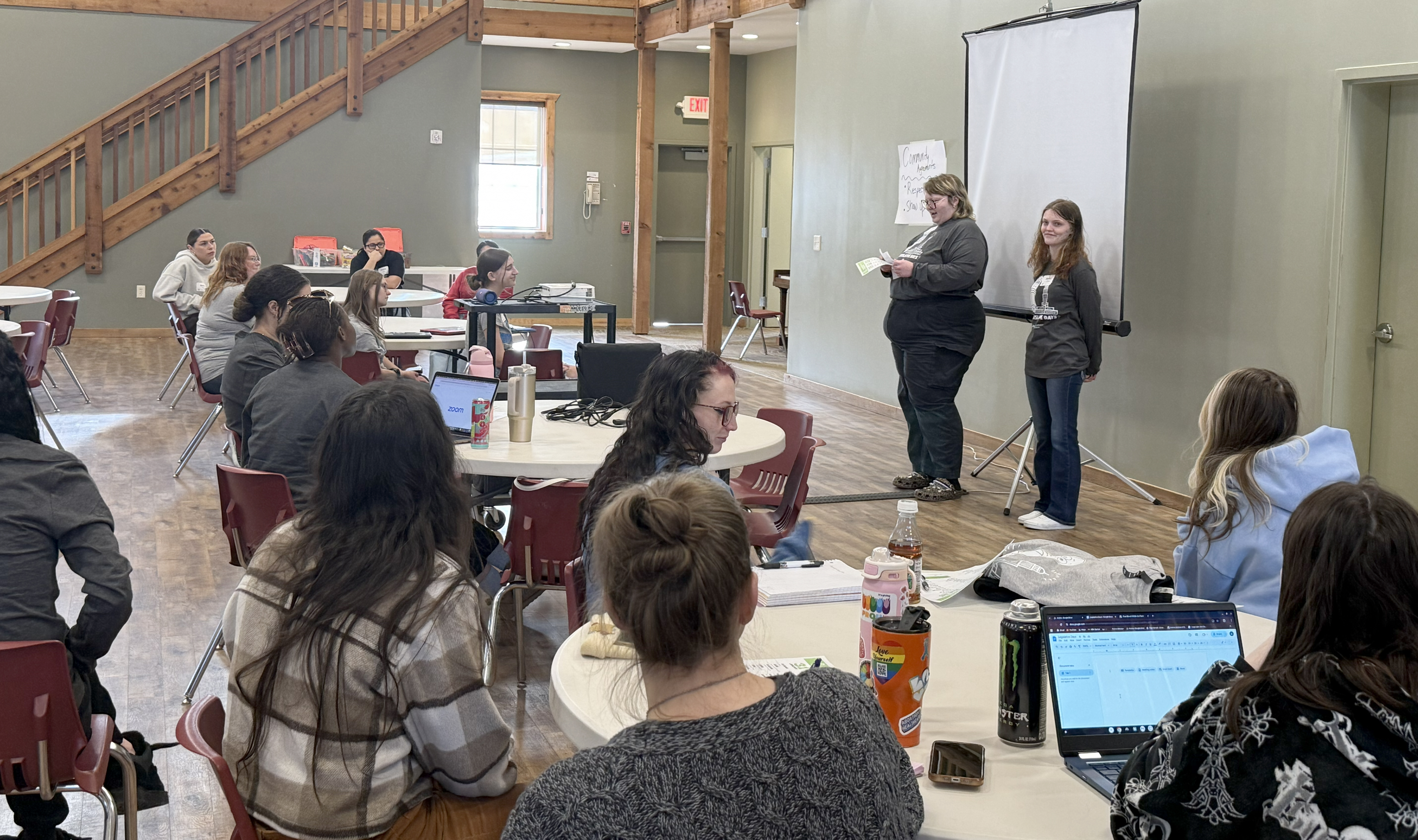
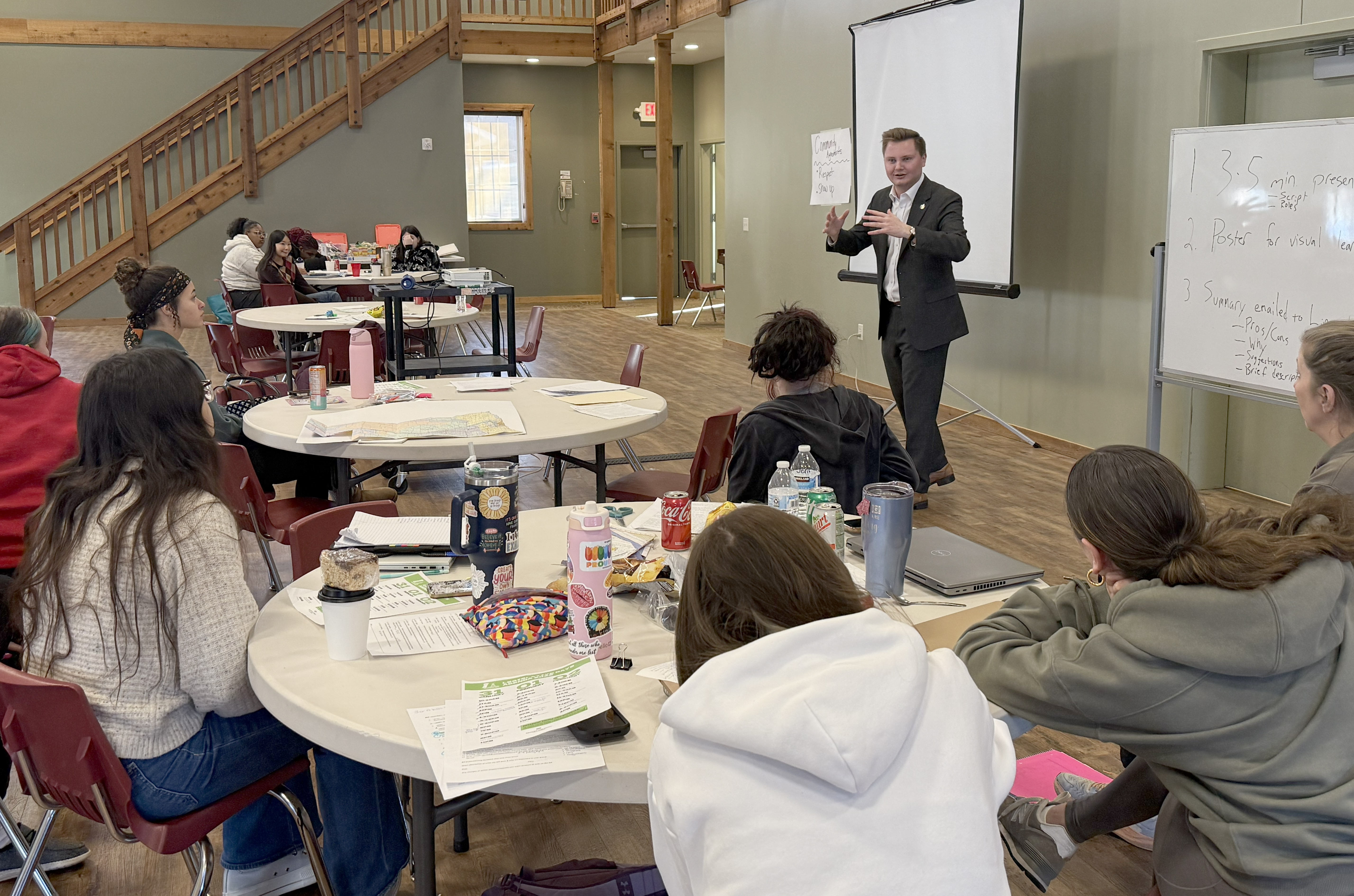
From January 31 to February 2, youth from Omaha, Lincoln, Norfolk, Kearney, Fairbury, and Beatrice came together to learn about public speaking, the legislative process, and the art of advocacy. They reviewed real bills before the Nebraska Legislature, built arguments, and delivered presentations to state senators and Governor Jim Pillen. They visited the Supreme Court. They heard from lawmakers, legal professionals, and community advocates. And by the end of those three days, something remarkable had happened: young people who had often been overlooked by the systems meant to serve them had stepped up and spoken.
Advocacy Is Not a Privilege — It’s a Skill Anyone Can Learn
One of the myths about civic engagement is that it belongs to a certain kind of person — someone older, more educated, more powerful. Legislative Days exists to undo that myth. The young people who attended this year came from communities across Nebraska, and many have personal experience navigating complex systems like foster care, juvenile justice, or homelessness. These are not young people who have been sheltered from hardship. They are young people who know firsthand what is at stake when policy gets it wrong.
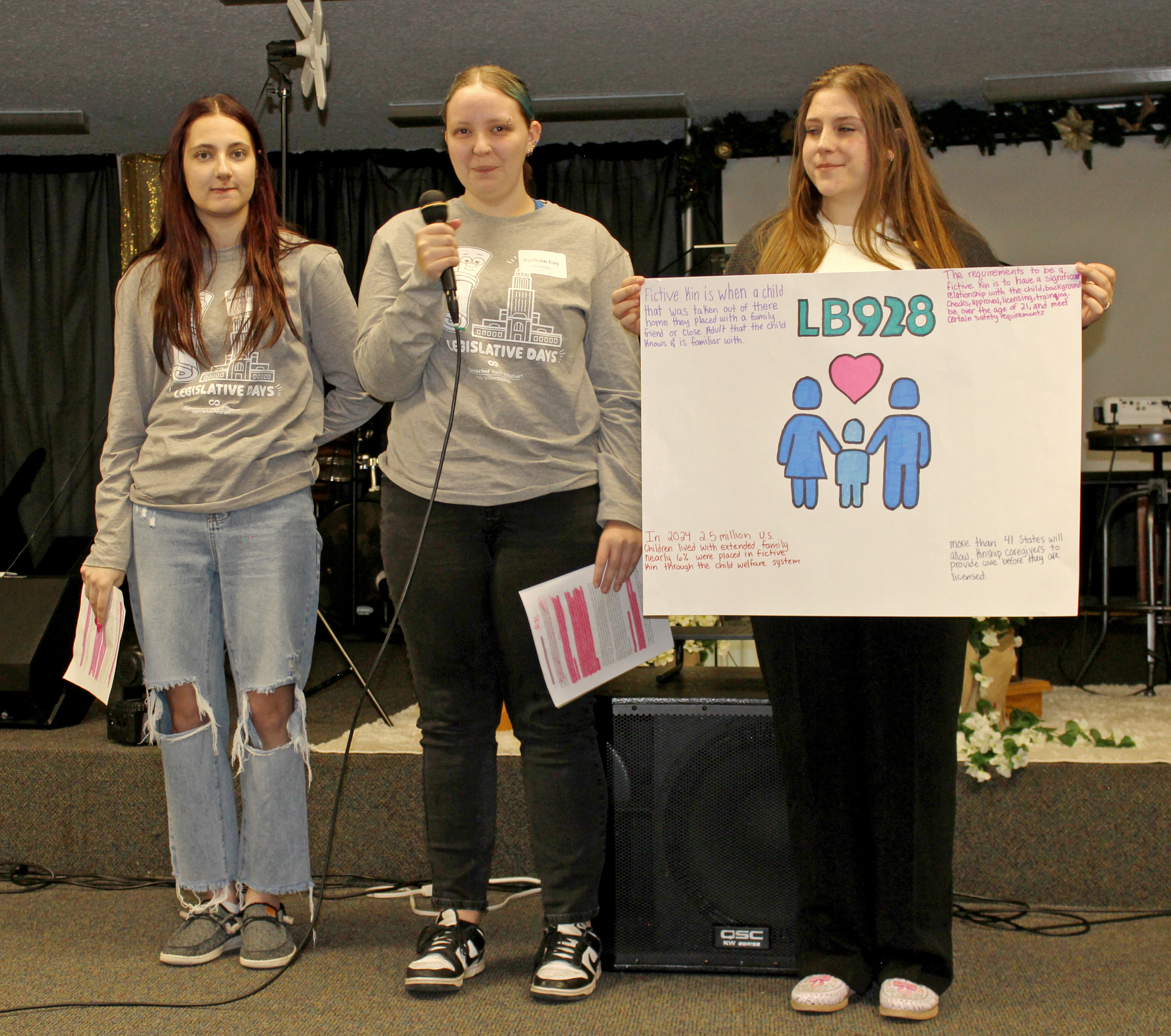
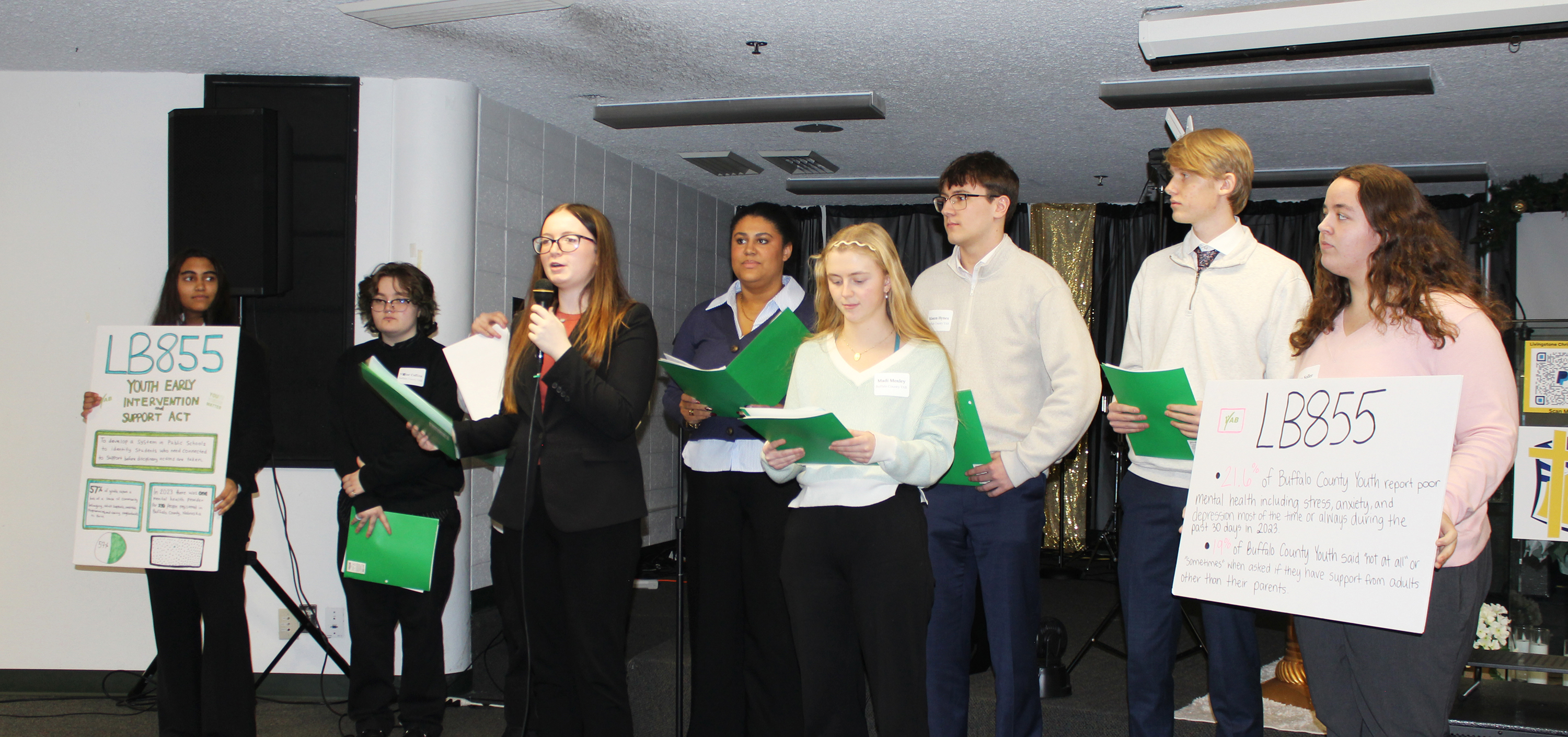
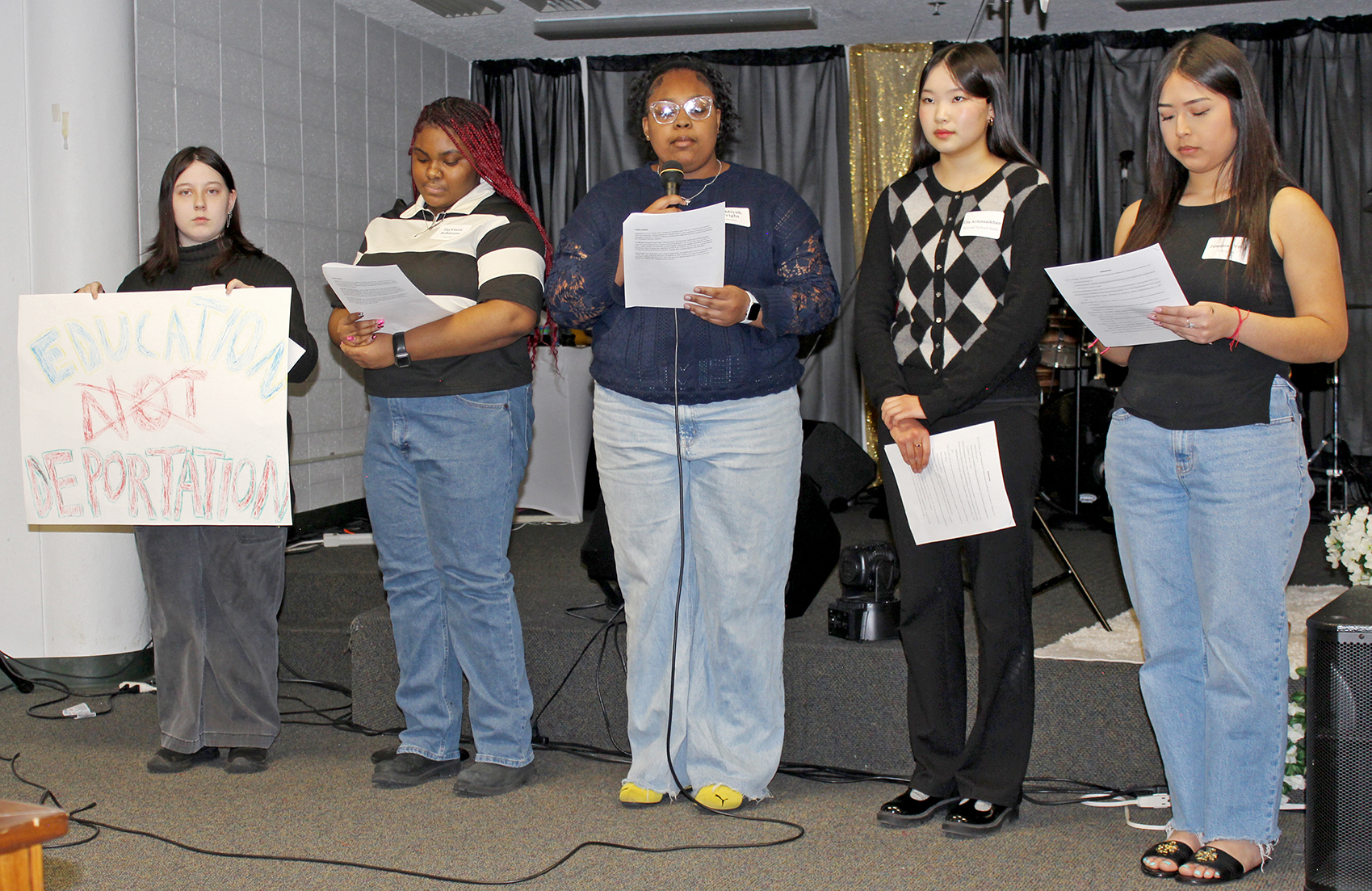
The bills they chose to advocate for reflect that knowledge. They presented in support of early intervention in schools, allowing fictive kin placements, eliminating the shackling of juveniles, and keeping immigration enforcement officers off school grounds. They also took a stand against legislation that would criminalize sleeping in public spaces. These are issues that touch the lives of real young people in Nebraska every day.
Teaching young people how to translate their experiences into policy arguments is one of the most useful skills we can give them.
In Their Own Words: What It Meant to Them
The change that happens over the course of Legislative Days is hard to overstate. Participant Ella described arriving with curiosity and leaving with conviction: “Before, it was difficult for me to understand if advocacy even makes an impact,” she reflected, “but after this experience I feel as though advocacy is one of the most important things a citizen can do, because it gives a voice to issues that might not be otherwise heard.”
That shift is exactly what civic education is supposed to do. It’s not about indoctrinating young people into a particular political viewpoint. It’s about helping them understand that their voices matter.
Another participant, Ta’Miyah, brought a sharp eye to the experience. She was surprised to learn that Nebraska’s unicameral legislature can override a governor’s veto — a fact that struck her as genuinely empowering. “I feel like that can be very beneficial for the people,” she said, “knowing that their senators can override a bill.” She also spoke with refreshing honesty about a moment that gave her pause: presenting to the Governor and noticing that her group received fewer follow-up questions than others. Rather than being deflated, she turned it into a question worth asking — did he truly engage with what her group shared?
That kind of critical civic thinking is important. We don’t just need young people to show up. We need them to pay attention, ask questions, and hold institutions accountable.
Taking Their Power Back
The adult advocates who helped prepare these young people spoke about why this work matters. Sarah Michell of Nebraska Appleseed, who has been part of Legislative Days since its earliest existence, described what it means to watch these young people find their voice as simply: “power.”
“We give it away to so many people and so many spaces,” she explained. “They finally get the chance to take their power back — power that was taken from them so many times in what they have been through in life. And to see other people using their voices too. Like-minded people in a room do a lot of great things.”
Katie Nungesser of Voices for Children echoed this with a concept she called transformative justice healing — the idea that for young people who have been harmed by systems, becoming an active voice in changing those systems is not just empowering, it’s healing. “For some kids these systems have been harmful and traumatic,” she said, “and to see them take that energy and transform the systems” is meaningful.
Lane Carr from the Nebraska Department of Education offered yet another dimension: the importance of youth voices in policy rooms that can otherwise become disconnected from reality. “When policy is made, it is sometimes made in a vacuum or ivory tower,” he noted. Having young people speak at the Capitol brings policy to a more grounded, personal level.
The Investment That Pays Forward
What does a young person carry with them after an experience like Legislative Days? According to the advocates who work alongside them, quite a lot. Sarah Michell put it plainly: “We aren’t taught this when we are young. They get to understand what working with the government looks like, versus just being shown one way like they are in high school.”
Katie Nungesser added that watching young people learn engage with people who hold different views, to find shared values, to argue their case without dismissing others — builds skills that will serve them for a lifetime. “It forces them to look at and understand it from all angles,” she said.
These are essential skills for careers, for relationships, for citizenship. They are skills that are too rarely taught in formal education settings, particularly for young people who are already navigating more than their share of challenges.
At the end of Legislative Days, these young people had done something most adults never do. They walked into the halls of state government, prepared a researched argument, and spoken directly to the people who hold legislative power.
Ella said she will “definitely remain involved in advocacy” after this experience. Ta’Miyah left with a more sophisticated understanding of how democracy works — and how it can sometimes fall short. And every adult left reminded of something important: when we create opportunities for young people to engage in civic life, they rise to meet them.
The question isn’t whether young people are capable of meaningful civic engagement. This event proves that they are. The question is whether we’re willing to build more opportunities like this — to invest in programs that teach advocacy, that open doors to the legislative process, and that tell young people that their voices belong in rooms where decisions are made.
Learn more about Nebraska Children’s Connected Youth Initiative at neconnectedyouth.org.

Nebraska Children’s mission is to create positive change for Nebraska’s children through community engagement.


 Growing the Good Life
Leave a comment