“There is something about eating food fully grown in Nebraska that is good for the soul,” says Jacob Clark, representing the core of a powerful partnership between Food4Hope and Nebraska Children and Families Foundation. This collaboration, supported by the USDA’s Local Food Purchase Assistance (LFPA) Program, is changing the local food scene in Beatrice, Nebraska.

By connecting local farmers to the communities they serve, this initiative is more than just a food program. It’s a transformative effort to enhance food security, promote economic resilience, and create lasting change.
Food4Hope: A Grassroots Movement
Food4Hope is a grassroots, nonprofit organization dedicated to improving self-sufficiency, regional food security, and economic resilience in urban and rural communities. By collaborating with a diverse range of public and private entities, Food4Hope focuses on food security in Gage County and the surrounding areas and connects local farms to local food economies.
Located just outside of Beatrice, Food4Hope is in an ideal region of Nebraska to work with urban and rural communities, enhancing food security and ensuring everyone has enough to eat. This location is not just about food distribution; it serves as an educational space where the public can learn about the various foods that can be grown and raised locally. It includes events with free food to attract residents, fostering connections between farmers, local vendors, and the broader community.

A Connection Ripe for the Picking
The partnership between Food4Hope and Nebraska Children began at the Nebraska Local Food System Networking Event in Kearney, Nebraska. Jacob, the Director for Food Security at Nebraska Children, participated in a panel discussion about the Local Food Purchase Assistance Program (LFPA) and he later met Terri Sue Mazza, Food4Hope’s President and Founder. The collaboration quickly took off.
LFPA: Supporting Local and Underserved Producers
The Local Food Purchase Assistance Program (LFPA), established by the U.S. Department of Agriculture (USDA) in 2021, is a vital supporter of this initiative. Its goal is to transform and revitalize local food systems by providing funding through non-competitive cooperative agreements to state, tribal, and territorial governments. This funding enables them to purchase foods within the state or a 400-mile radius. The program primarily supports local, regional, and underserved producers, helping to bridge gaps in the food supply chain and makes sure fresh, local produce reaches communities in need.
Jacob manages the LFPA grant in Nebraska, connecting producers to food hubs and pantries statewide. He also networks with other food security professionals to help bridge gaps in the local food economy.
Food4Hope’s Local Palooza Brings Local Food to the Community
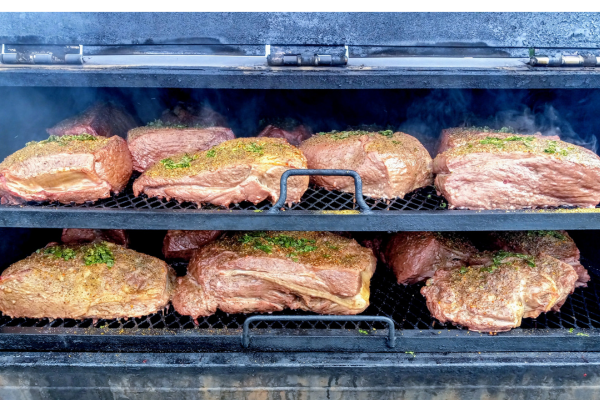
Food4Hope fosters community engagement through various initiatives like workshops, community gardens, and events. This summer, they introduced Local Palooza, where community members gather to enjoy free, locally sourced food provided by Food4Hope through the LFPA partnership with Nebraska Children. The event features live music, local vendors, and a relaxed, welcoming atmosphere for communal meals and connection.

Local Palooza allows farmers to connect directly with consumers, who, in turn, learn about the origins of their food. The event serves as an educational platform, showcasing the local food options. Each Local Palooza meal is sourced entirely from Nebraska farms and producers, with each event highlighting a different protein source. This event not only brings new culinary experiences to areas with low food access but also broadens the community’s understanding and appreciation of local produce.

“Local Palooza is about connections to our food, our growers, and to each other,” explains Terri Sue Mazza, Food4Hope President and Founder. “Food is a great unifier because everybody eats. I love watching people’s reactions when they learn new things about food in our area. ‘I didn’t know there is a commercial pecan grower in Firth!’ or “when did they start growing mushrooms around here?’ or ‘I can’t wait to try Bison, I’ve never had it before’ are all things we’ve heard from our guests.”
Some standout farms that have been instrumental in providing food for these events are Wagon Wheel Farm (Bruno, Nebraska), Sicily Creek Jelly and Produce (Blue Springs, Nebraska), West End Farm (Plymouth, Nebraska), Fat Rabbit Produce (Beatrice, Nebraska), HWY 77 Producer (Beatrice, Nebraska), Naber Produce (York, Nebraska), and R Diamond Ranch (Clarks, Nebraska).
Local Palooza is located in the heart of a food desert, in a space that used to be a busy preschool building. With the help of a dedicated volunteer team, Food4Hope transforms the space into an area of community engagement. Food deserts are areas where people have limited access to healthy and affordable food due to income, location, or transportation issues.
Building Generational Food Knowledge
Food4Hope is working closely with the city to create a food hub to build food knowledge, starting in a food desert. By increasing the value of local food, they aim to change perceptions and demonstrate that locally grown food tastes better and plays a role in strengthening the community.
Educational Opportunities and Public Health
Educational opportunities are at the heart of Food4Hope’s mission. An example of this is the production of a pear. There is a huge opportunity to educating the public on what it means to buy a can of pears on the shelves at a grocery store. The pears may be produced in Argentina, then shipped to Thailand for packaging, and then shipped to the United States, where they are distributed all over the country. A different option for the consumer would be to purchase in-season pears from a local farmer and learn food preservation techniques for storing pears so they are available out of season.
Additionally, gardening and involvement in food production are shown to improve children’s willingness to try new foods and they become interested in the food they are growing, leading to better health outcomes.
Stabilizing Local Food Economies
Supporting local farmers through initiatives like Food4Hope creates more stable food economies, that are better equipped to handle crises and supply chain issues, similar to what was experienced in the 2020 COVID-19 pandemic.


Additionally, partnerships like this are part of a broader effort to modernize local food chains and promote sustainable practices that benefit both producers and consumers.
Food4Hope’s Vision for the Future
It is just the beginning for Food4Hope, as they have ambitious plans to expand their mission. The organization envisions creating a multifunctional hub where food is produced, processed, and stored, and where community members can receive food education. The goal is to transform the food desert into a vibrant community space that includes an amphitheater, public training sessions, classrooms, and a safe third space for children. This “third space” is vital for children’s social development, offering an environment beyond home and school where they can socialize, learn informally, and develop essential skills.
Stabilizing Food Security in Nebraska
Food4Hope and Nebraska Children are cultivating a movement toward food security, economic resilience, and community well-being at the community-level. Their collaborative efforts highlight the importance of local food systems in building healthier, more sustainable communities. The partnership aligns closely with Nebraska Children’s vision of ensuring all children have the resources to thrive.
More About Nebraska Children and Families Foundation:
Nebraska Children and Families Foundation envisions a Nebraska where all children have the resources and support, they need to thrive. Central to this mission is the belief that strong communities and families are essential to achieving this goal. A reliable, healthy food system is a critical component, and the partnership with the USDA’s Local Food Purchase Assistance (LFPA) Program is playing a key role in strengthening these food systems.
For more information about Nebraska Children and Families Foundation, please visit NebraskaChildren.org.
Join Food4Hope at the next Local Palooza! Next event takes place Saturday, August 3 at 6:00 p.m. Learn more about this event and other events at Food4hope.org.

Nebraska Children’s mission is to create positive change for Nebraska’s children through community engagement.


 Growing the Good Life
Leave a comment