Pack Your bags. You’re leaving. Four-year-old Nyaruot didn’t understand the context at the time.
The instructions followed a home visit from a school tutor. Shortly after, Nyaruot was packing her bags for the first time. Her four siblings each packed a bag to take with them to their destination – they were split into different foster care homes. Nyaruot and her sister, Nyaliet, were placed in a foster home together. To this day, Nyaruot doesn’t understand why they were paired together but is grateful they were. They shared a bond and became a support system for each other for years to come.
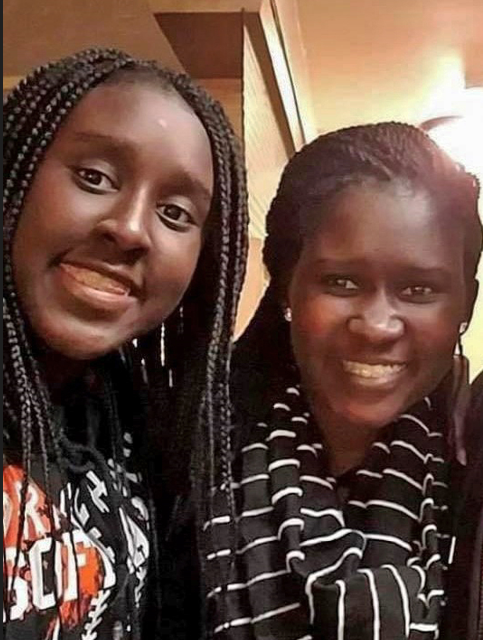
Looking back, Nyaruot says she respects the decision to report the family to Child Protective Services. However, at four, it was confusing.
Pack your bags. You’re leaving. Sometimes, it was a welcomed instruction; other times, it wasn’t. Warnings often didn’t come with much advance notice. She recalled being at preschool one day, and as the day wore on, the family she was staying with didn’t come to pick her up. Nyaruot recalls being told that she would be going home with another family. She had not met them before that day.
Fast forward to age 12; by this time, Nyaruot had transitioned through seven different foster families. Then the sisters found out after packing their bags for eight years, they would find stability.
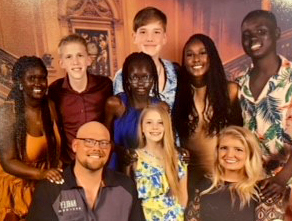
It was a big family comprised of adopted and biological children, but this family made a point not to make a distinction between the two. They were all family. This was a place of belonging, warmth, laughter, and a place where the extended family gathered on the weekend to share meals and laughs.
”I really enjoyed the dynamics of the family and felt super comfortable around them; this never existed when I was moving from home to home,” Nyaruot explains.
Life had stabilized for Nyaruot. She was attending school and doing well.
Fast Forward to Spring 2020, Another Round of Transitions
Then, like many high school seniors, she left school for break in Spring 2020, which was the beginning of the COVID-19 pandemic. This time, the contents of her locker were packed for her and the relationships she had built over the past four years stood still, much like many things during the pandemic. She picked up her high school diploma through a “drive-thru” ceremony. It was an abrupt end to what was supposed to be a memorable year.
Next up, it was time to pack for college. She was optimistic about the new chapter of her life; however, the cloud of the pandemic was still hanging overhead.
“Nobody else had dealt with that (the pandemic) so it was all new and didn’t feel right. For an anxious person, this was not healthy,” Nyaruot explained.
Many of the activities scheduled for new students were cancelled or the newness of wearing masks made it difficult to connect. During that time, Nyaruot describes feeling very closed in, being in her dorm most of the time, and taking classes virtually. In high school, she was used to the structure and schedule. The transition to college, especially during this time period, was much different.
“I had these loans and I didn’t know what to do. I wasn’t happy,” describes Nyaruot. “It was very confusing. I was undecided and then switched to psychology and then to social work. At one point, I didn’t like college or anything.” Nyaruot felt lost.
After much thought and discussion with her sister, Nyaruot decided to transfer to the University of Nebraska at Omaha. Nyaliet recommended that she connect with a youth coach through the Connected Youth Initiative, which she found beneficial during her own time in school.
Nebraska Children and Families Foundation’s Connected Youth Initiative is a statewide program that offers supports and services ranging from financial literacy, educational resources, housing, and other supports for young people 14-26 who experienced homelessness, human trafficking, foster care, juvenile justice, probation, and other challenges. Participants are paired with a coach, who meets with the young adult to help with the transition to adulthood.
At the time, Nyaruot wasn’t sold on the idea of working with a coach. Her plan was to pack her bags and head to Omaha and go wherever her journey took her.
Enter Tanya Smith, Youth Coach
A seasoned coach with over 19 years of coaching experience, coupled with a genuine passion for empowering young adults as they prepare for independence, Tanya Smith understood the challenges that young adults face.
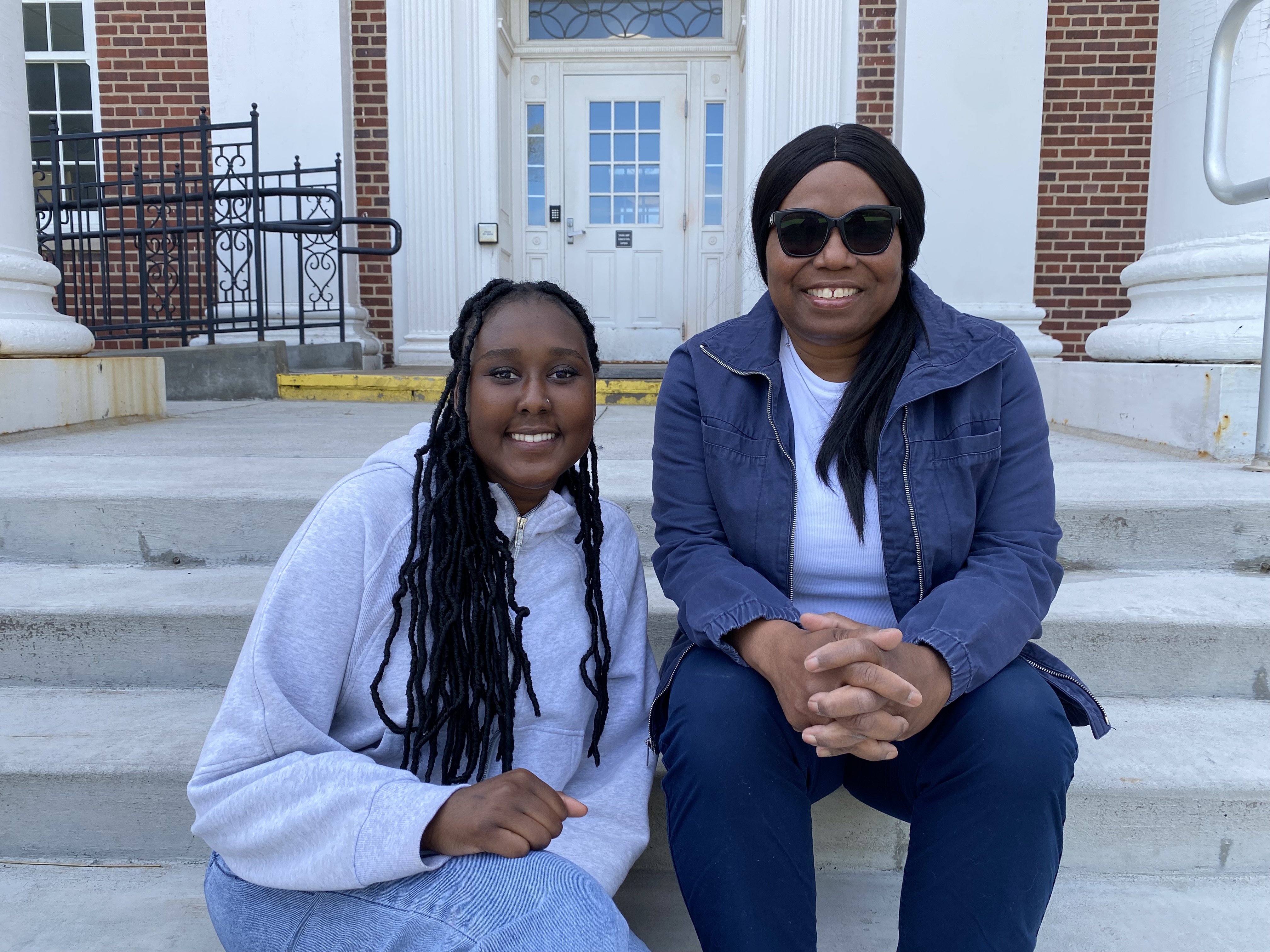
Tanya understood that coaching can feel invasive to some young adults. As a Transitional and Independent Living Coach (PALS Coach) at Central Plains for Center for Services, Tanya highlighted that the success of the relationship hinges on the young adult’s trust in the coach.
PALS is a 1:1 coaching support provided by Connected Youth Initiative partner, Central Plains Center for Services. The PALS coaching program provides 1:1 coaching support to help and guidance as young adults navigate the challenges of becoming independent. Coaches work with young adults on all aspects of life, including education attainment, housing, transportation, food, and so much more. The purpose is to develop meaningful, trusting relationships between a coach and a young adult and pair them with resources and opportunities to help them succeed.
“The relationship takes patience and reassurance,” Tanya shares. “You’re able to reach more students by the connection and relationship you create because it’s a challenging time for them. They’ve been in the system; they’ve had a lot of people in their lives. I’m just one more person. So how I connect with them makes a difference.”
From their first interaction, Tanya set the tone for a partnership built on trust, advocacy, and genuine care. Unlike a cookie-cutter approach, Tanya tailored her coaching to Nyaruot’s unique needs and aspirations, empowering her to take ownership in the journey. Through monthly meetings and candid conversations, Tanya provided Nyaruot with the tools, resources, and support she needed to navigate the complexities of college life, financial struggles, and personal growth.
Connecting Young Adults to Supports to Thrive
Through coaching, Tanya provided practical solutions, offered emotional support, and fostered a sense of belonging which played a pivotal role in Nyaruot’s journey. Nyaruot says, “Tanya has a solution for everything.” To Tanya, the solution lives within Nyaruot; she is helping her with the supports.
“My experience has all been positive,” describes Nyaruot the coaching experience. “My coach has connected me to resources that I didn’t know were available.”
Through the coaching relationship, Nyaruot was able to access several supports through Nebraska Children and Families Foundation (Nebraska Children), that she would not have otherwise known about.
There were two internships with Camp Catch-Up, a camp that provides youth in foster care, guardianship, or adoptive placements, a no-cost opportunity to reconnect with their siblings. Traditionally, the camp is offered as a relaxed, summer camp setting where they can momentarily escape the challenges of everyday life. Nyaruot was able to participate in the camp when she was younger with her siblings as campers. The internship offered Nyaruot the opportunity to support other young children who had similar experiences of her own.
Tanya also introduced Nyaruot to some of the supports offered through Nebraska Children’s Project Everlast, the urban-based framework that promotes using community resources to improve a youth’s opportunities and networks for housing, transportation, healthcare, and much more. Project Everlast was created by a steering committee of Omaha youth, and representatives from the Nebraska Department of Health and Human Services, the Sherwood Foundation, the William and Ruth Scott Family Foundation, and Nebraska Children and Families Foundation. Public private funding partnerships are at the core of Bring Up Nebraska’s Community Collaborative Network which has grown from the urban setting of Omaha and Lincoln to now serving all Nebraska communities, including the older youth specific services that originated within Project Everlast and are now accessible statewide.
Another resource was the connection to the Opportunity PassportTM program, a coaching curriculum that promotes financial literacy and asset-building, and which is also offered through Central Plains for Services statewide. Participants work one-on-one with a coach as they learn financial literacy and asset specific training, which allows for youth adults to achieve economic stability and self-sufficiency by focusing on increasing earning potential, budgeting, reducing debt, opening personal banking accounts, understanding and appropriately utilizing credit, saving, and investing. Nyaruot’s goal was to save to purchase a car. A much-needed purchase as she lived off-campus and needed reliable transportation to drive to her job as a CNA at a rehabilitation center. Opportunity Passport offers a 4:1 match for vehicle purchases. This means if participants save $1, the program will match them with $4, with a lifetime maximum of $8,000.
Nyaruot achieved her goal and purchased a car. Next up, securing an apartment.
The night before she moved into her new apartment, Nyaruot had her bags packed and in her car. This was a time of excitement.
On the eve of the move, her car was stolen, loaded with those bags.
Though the car was eventually recovered, her possessions were lost. The bags that were packed with everything she needed to set up her new apartment were gone, leaving her with a sense of violation and defeat.
Tools to Keep Moving Forward
When it seemed impossible to move forward; there was Tanya. A much-needed support, helping Nyaruot navigate through the overwhelming emotions. Together, they utilized the connection to Project Everlast, which offered financial assistance for the initial rent payments so that Nyaruot could replace the belongings and remain on her journey forward.

These are just a few examples of how Tanya has guided Nyaruot through the challenges that come in the transition to adulthood. However, without the supports in place the outcomes can be very different. These programs have been a lifeline, connecting Nyaruot with a network of resources and individuals who believed in her capacity to achieve great things.
When asking Tanya about why coaching has worked so well for Nyaruot, she says “the coaching relationship works because she (Nyaruot) works hard and sets goals and accomplishes them. We are just meeting to touch base and make sure things are going well. At this point, we are more of a team.”
For Nyaruot, the impact of Tanya’s coaching extends far beyond academic success. It’s about having someone in her corner, someone who believes in her potential, even when she doubts herself.
Packing Bags on a Road to Goal Achievement
When Nyaruot was asked where her drive comes from, the drive that pushes her forward when things get overwhelming, she took a moment to respond and said, “I think from a rough background, actually. You see your family struggle and you learn to rely on yourself to make things happen.”
She specifically shares how she has looked up to her sister. “I saw her (Nyaliet) break through stereotypes of kids who’ve been in foster care and I saw her make something of herself. In her case, a nurse.” Breaking through stereotypes was always a theme that was talked about when she would attend Camp Catch-Up.
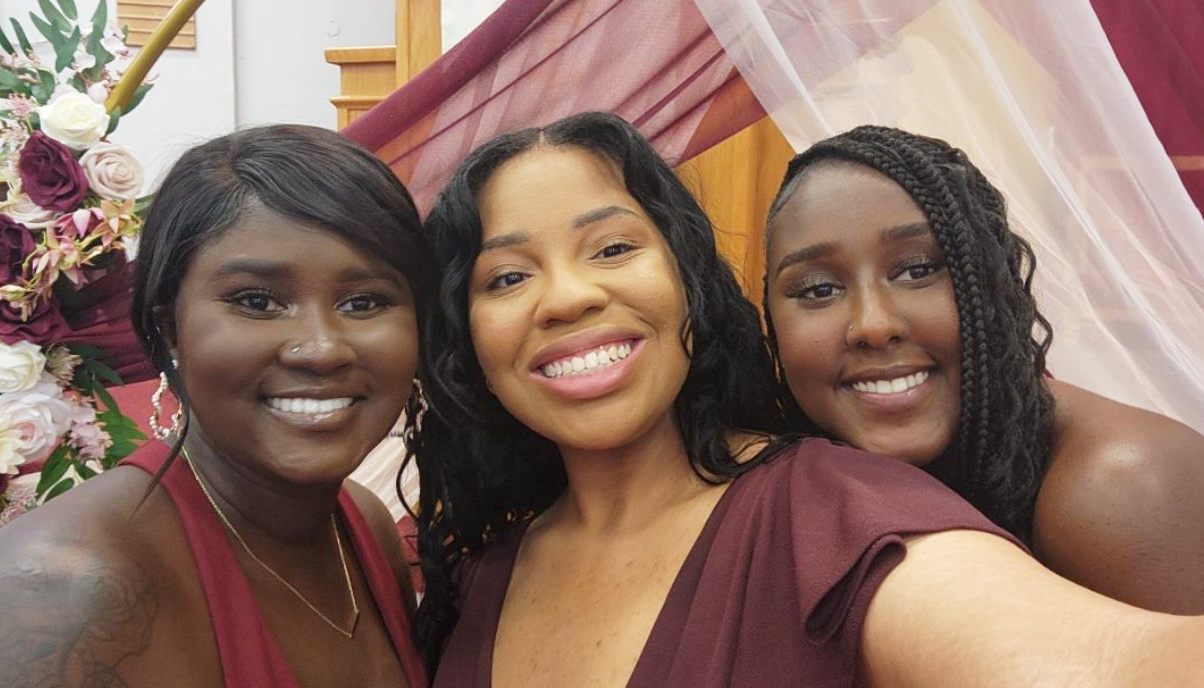
Sharing her story doesn’t always come naturally to Nyaruot. She understands that her story is not one-sided but as multi-faceted as the supports that have helped her along the way. While the support on the academic and financial side of things has been very important, Nyaruot doesn’t want to gloss over the emotional support and focus on well-being offered through the coaching relationship.
“I never realized how closed off I was until I got to college. I didn’t want to do anything,” explains Nyaruot. “I didn’t like change because my life was so inconsistent. I went from home to home and I think ultimately, that’s why I hated change so much.”
Nyaruot acknowledges the important role that Tanya has played in helping her push out of this comfort zone. Nyaruot looks back now and is proud to see her progress.
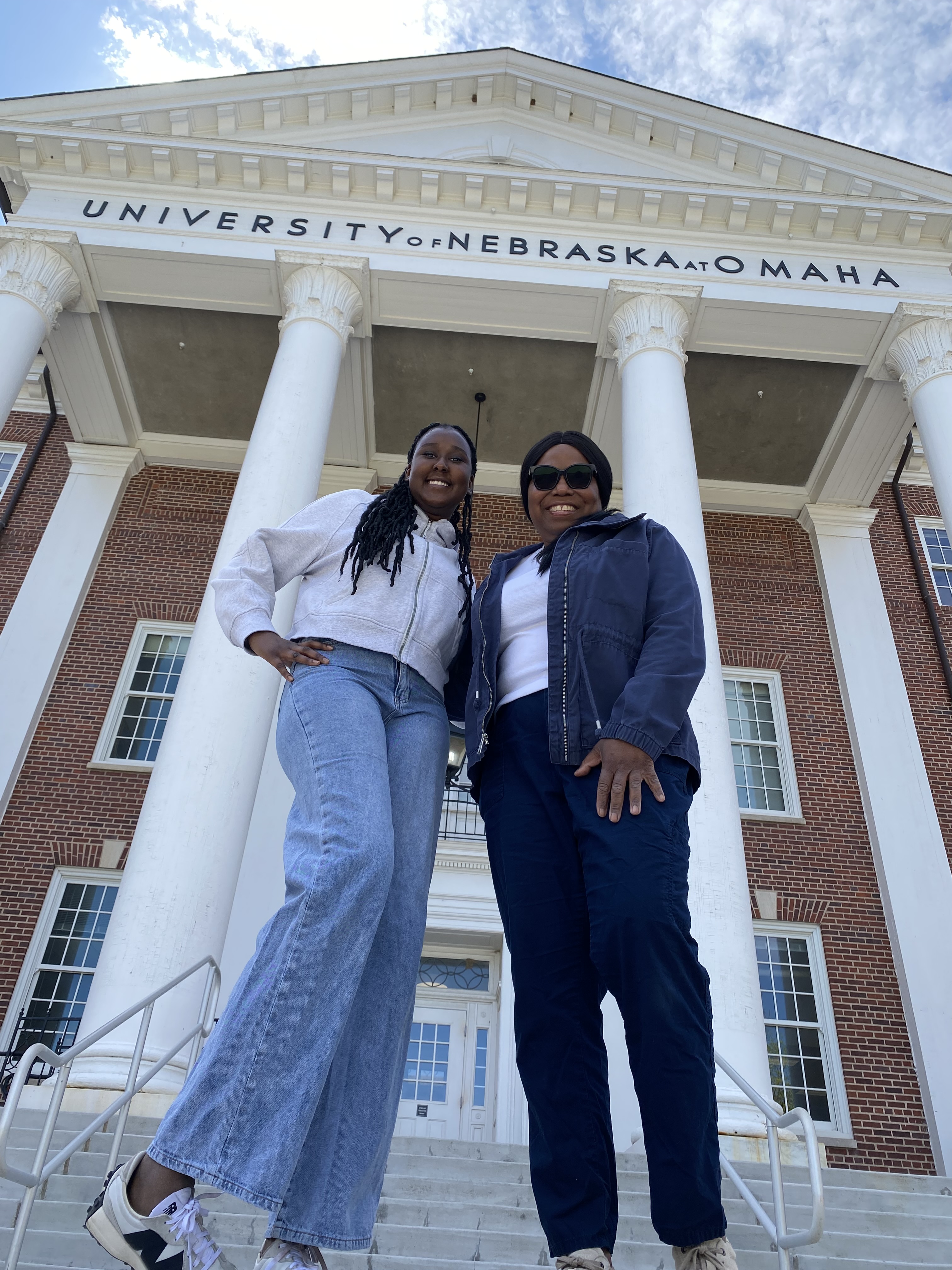
This spring, Nyaruot packed her bags again, this time with her bachelor’s degree in social work from the University of Nebraska at Omaha. Seh aims to use her degree to help others. With a world of opportunities ahead, she carries the tools and support needed for her journey into adulthood.
Nyaruot’s journey exemplifies the resilience of the human spirit and the transformative power of hope, empowerment, and genuine human connection.
“I am not my circumstances.
I am my possibilities,”
– Nyaruot Teng
More About the Connected Youth Initiative:
Nyaruot’s story is a testament to the transformative power of positive relationships and the belief in one’s potential.
Her experience with the Connected Youth Initiative and its partners, Central Plains Center for Services, Project Everlast, and Camp Catch-Up, has provided Nyaruot with invaluable support and opportunities to thrive. From internships to financial assistance, these programs have been a lifeline, connecting Nyaruot with a network of resources and individuals who believed in her capacity to achieve great things.
More About Nebraska Children and Families Foundation:
Nebraska Children and Families Foundation aims to strengthen communities, so all children, young people, and families thrive. An important component to achieving this reality is to ensure parents/caregivers and young people with personal experience can be a part of community growth. This is done by making a commitment to co-creating empowering spaces with and for young people to engage and lead in our organization and across Nebraska.
Empower Futures: Support Programs like Connected Youth Initiative
Your support is instrumental in helping young adults like Nyaruot find solid ground and hope for the future. To make a gift, visit Nebraska Children and Families Foundation.

Nebraska Children’s mission is to create positive change for Nebraska’s children through community engagement.


 Growing the Good Life
Leave a comment